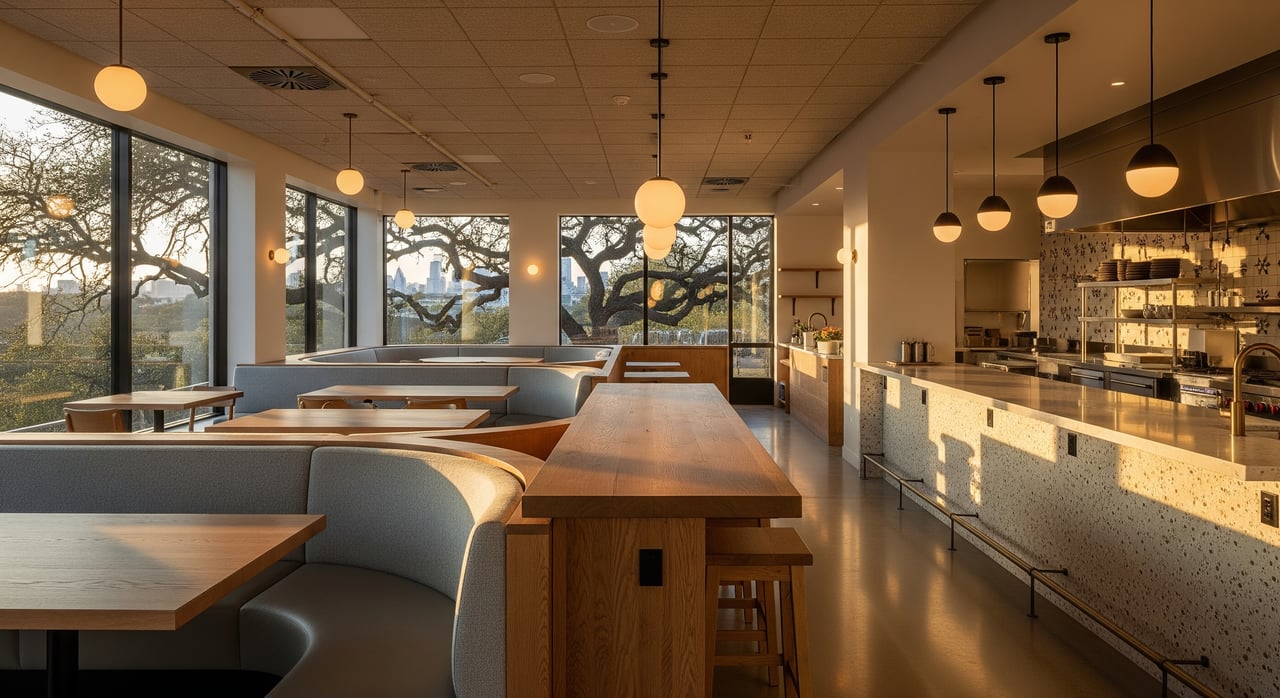
Planning a restaurant in Downtown or East Austin? The right tenant improvement allowance can make or break your buildout timeline and budget. You want a clear path from lease to opening day, without surprises around hoods, grease interceptors, or utility upgrades. In this guide, you will learn how TI structures work, what they usually cover, Austin-specific permits and timelines, and a practical checklist to model costs and cashflow. Let’s dive in.
What TI allowances cover
A TI allowance is the amount a landlord contributes toward construction. It can be a flat dollar amount or a per-square-foot cap. Your lease will define what counts as eligible work, when funds are paid, and what documentation you must provide.
Here are the big cost drivers for Austin restaurant buildouts:
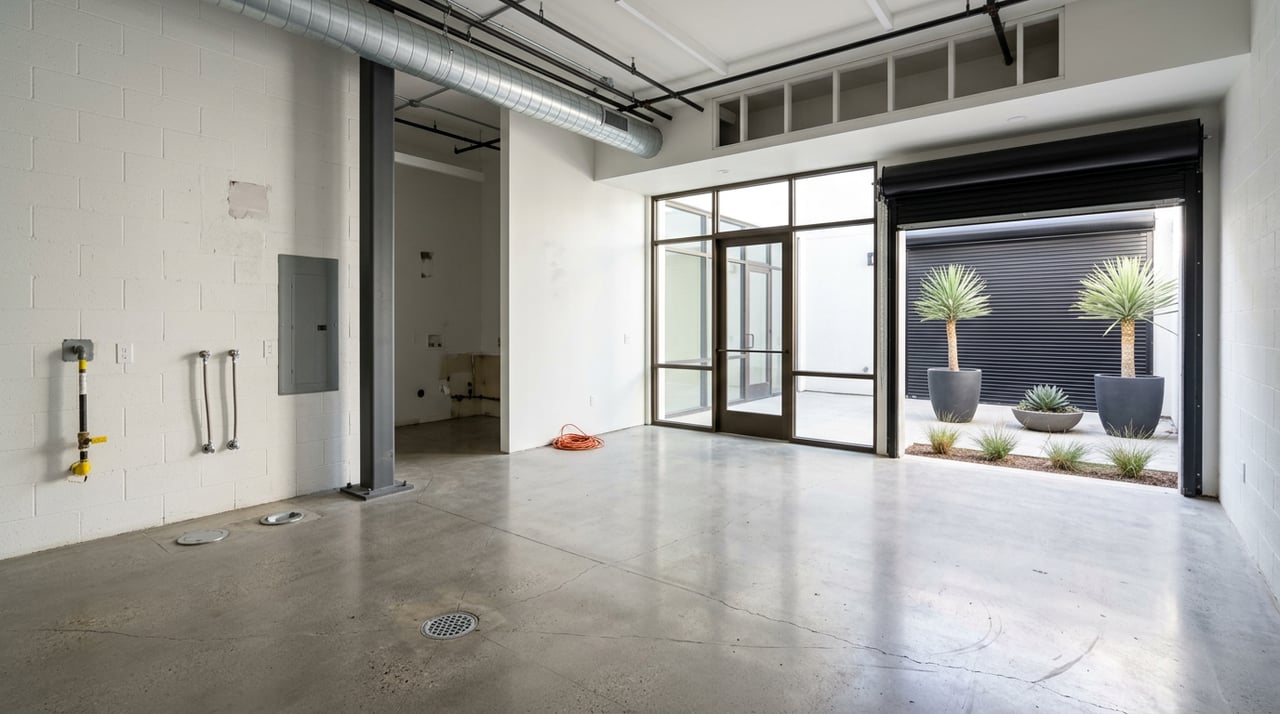
- Kitchen systems and MEP. Exhaust hoods, grease exhaust fans, rooftop curbs, and automatic hood suppression are core. HVAC modifications and make-up air to balance exhaust, electrical service and panel upgrades, gas service, and plumbing for kitchen fixtures often dominate the budget.
- Grease control. Most restaurants must install either an interior grease trap or an exterior grease interceptor sized to code. Location, excavation, and sewer connection logistics drive cost and schedule.
- Code and life-safety upgrades. ADA path of travel, restrooms, sprinklers, egress, and fire-rated penetrations can be triggered by kitchen work and change-of-use.
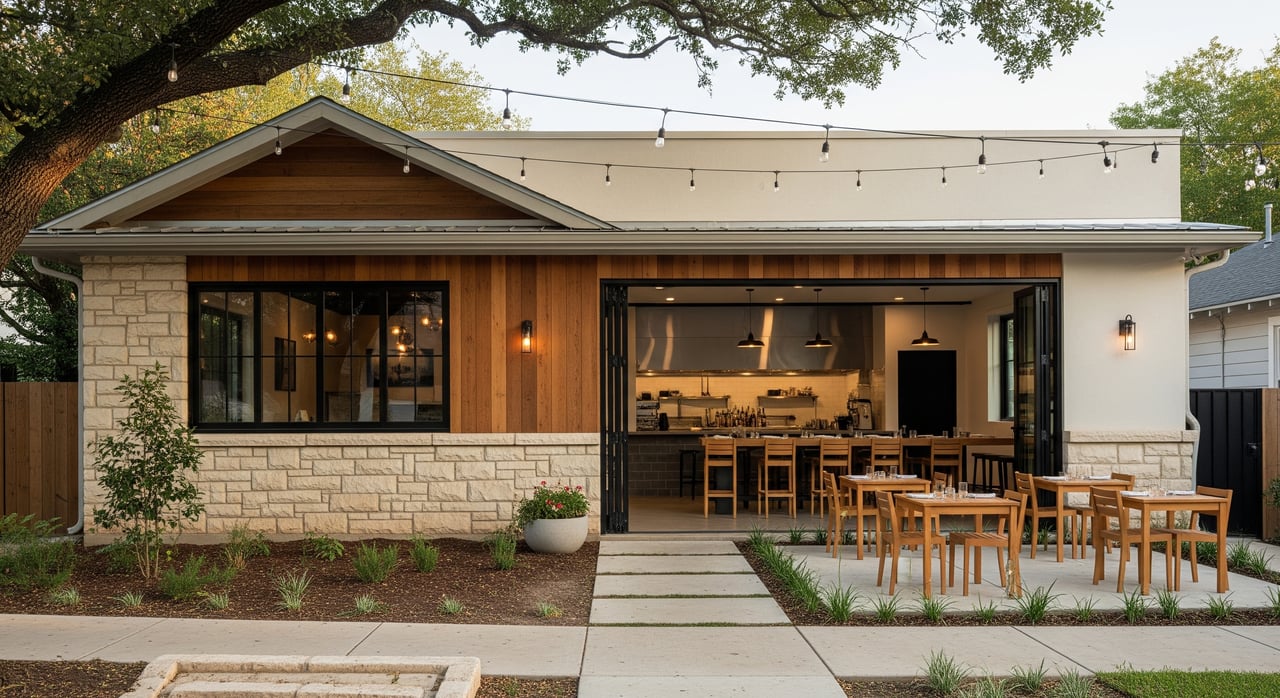
- Finishes and floor work. Guest-facing finishes, lighting, bar and service counters, and kitchen flooring with proper slope and drains are typically within TI to the cap.
- Soft costs and contingency. Design, engineering, permits, testing, commissioning, and utility tap fees add up. Restaurants benefit from a 10 to 20 percent contingency due to complexity.
TI structures and payment flow
TI allowances are delivered through one of three common structures. Each affects your cash needs and schedule.
Reimbursement
- How it works: You fund the buildout, then the landlord reimburses up to the allowance cap after you submit paid invoices and lien waivers. An inspection and retainage are common.
- Pros: You control contractor selection and schedule. Landlord pays actual costs up to the cap.
- Cons: You carry upfront costs and financing risk. Reimbursement timing can create cashflow gaps.
- Modeling tip: Include the contractor draw schedule, landlord holdback percentage, and time to reimbursement in your cashflow.
Turnkey
- How it works: The landlord procures the contractor and delivers a completed space per an agreed scope. You take delivery and start rent per the lease.
- Pros: Lower cash strain and less construction management for you.
- Cons: Less control over design and finishes. Scope may be limited to landlord standards.
- Modeling tip: Budget for soft costs that may be excluded, such as your design fees or specialty equipment.
Milestone draws
- How it works: The landlord pays in stages as work hits defined milestones, with an inspection protocol and retainage at the end.
- Pros: Reduces your upfront burden and aligns cash with progress.
- Cons: Requires crystal-clear milestones to avoid disputes and delays.
- Modeling tip: Map draw amounts and timing to milestones and include a retainage, often around 10 percent until final completion.
Lease mechanics to clarify
- Allowance cap. Confirm total amount and whether taxes and fees count against it.
- Eligible costs. Spell out what is covered and what is excluded, such as code upgrades, utility service upgrades, permits, and professional fees.
- Timing. Align construction start, substantial completion, rent commencement, and any allowance expiration date.
- Payment conditions. List required documents, as-builts, lien waivers, and landlord inspection windows.
- Overruns and amortization. Define who pays for overruns and whether the landlord will amortize extra tenant-funded work into rent.
- Contractor approval and insurance. Landlords may require pre-approved general contractors and specific insurance terms.
Austin permitting and utilities
Restaurant buildouts in Austin involve multiple agencies. Plan for added time where kitchen systems, grease control, or utility upgrades are involved.
- City of Austin Development Services Department. Building, mechanical, electrical, and plumbing permits and plan review.
- Austin Fire Department. Hood and suppression review, NFPA 96 enforcement, and fire inspections.
- Austin Public Health. Food Establishment Permit, kitchen layout review, equipment specs, and inspections.
- Austin Water Utility. Grease interceptor requirements, sewer connections, and wastewater rules.
- Austin Energy. Electrical service applications, meter changes, and capacity upgrades.
- Historic Preservation. If applicable downtown, additional approvals for exterior changes and some interior modifications.
Timeline signals to model
- Design development and kitchen shop drawings: 4 to 8 weeks.
- Plan review and permits: often 4 to 12 or more weeks, depending on scope and completeness. Hood and suppression reviews can add time.
- Grease interceptor approvals and civil work: 2 to 8 additional weeks for coordination and excavation.
- Long-lead equipment: 8 to 20 weeks for some kitchen and HVAC units.
- Final inspections and health permit: typically near the end of construction, with potential correction cycles.
Downtown vs East Austin
- Downtown. Expect denser buildings, vertical exhaust routing challenges, shared mechanical decks, and possible historic constraints. Older buildings can require higher-cost utility upgrades and stricter sidewalk or streetscape permits.
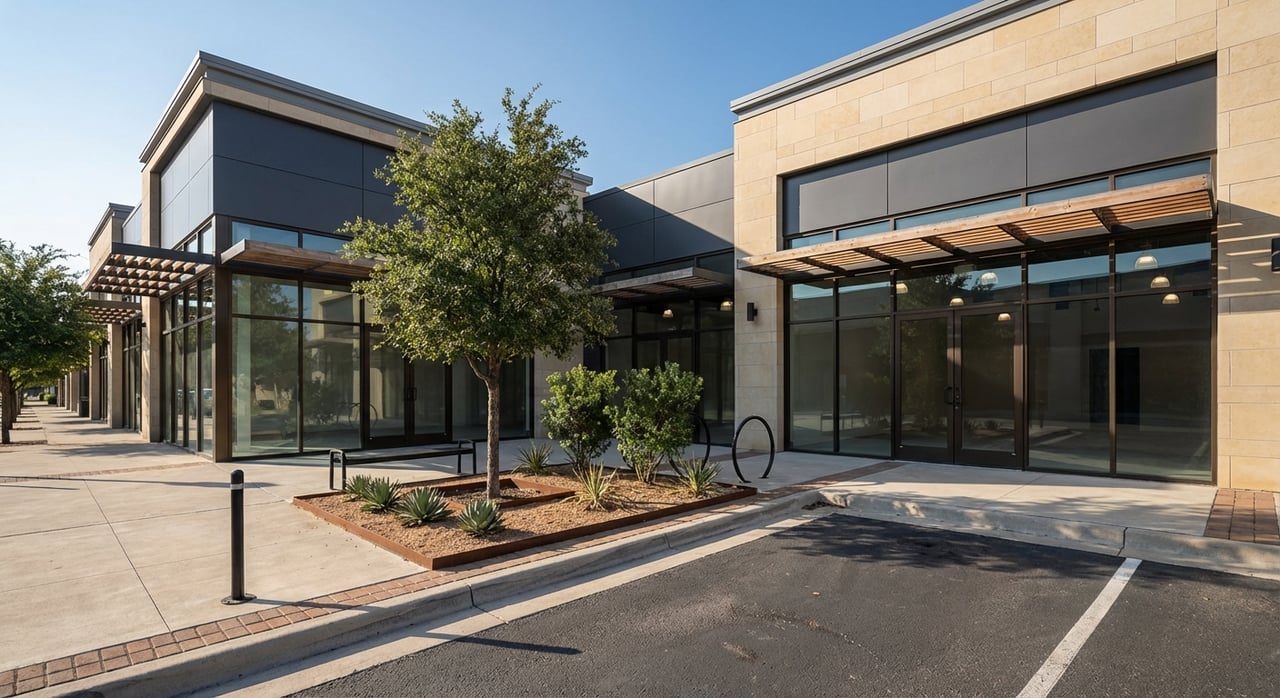
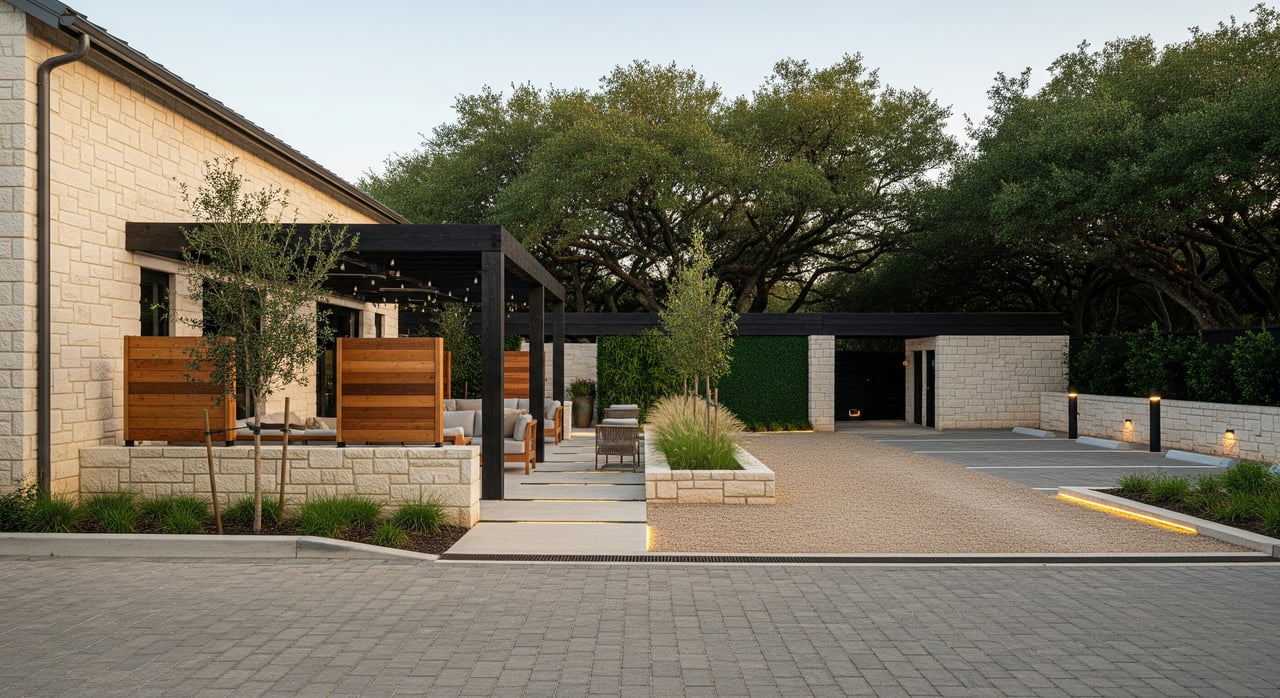
- East Austin. Smaller storefronts and older light-industrial shells often provide easier exterior space for interceptors and alley access. Shells may still need substantial code and structural upgrades, and site utilities vary by property.
Build a clear scope and budget
Start with a line-item budget and define what counts toward the allowance versus tenant-only costs. This keeps design, permitting, and cashflow aligned.
- Hood and exhaust, rooftop equipment, and structural supports.
- Hood suppression and sprinkler modifications.
- HVAC modifications and dedicated make-up air.
- Electrical service upgrades, panels, and dedicated circuits.
- Gas service line and meter upgrades.
- Plumbing, floor drains, food waste piping, and grease trap or interceptor including civil work.
- Finishes, lighting, bar and service counters, and kitchen flooring.
- Design and engineering fees, permit fees, inspections, testing, commissioning, and utility tap fees.
- Contingency of 10 to 20 percent for complex kitchen scopes.
Lease negotiation checklist
Use this checklist to align TI language with your scope, schedule, and cash plan.
- Explicit scope. Attach an exhibit listing eligible line items for the allowance and note exclusions.
- Payment mechanics. Define documentation, inspection steps, milestone definitions, and review windows. Ask for a firm review period, such as 10 business days.
- Allowance expiration. Ensure enough time for permits and construction, plus extension rights if needed.
- Overruns and amortization. Clarify if the landlord will amortize excess costs into rent and at what rate.
- Contractor selection. Seek the right to select your GC and subs, with landlord approval not unreasonably withheld.
- Permit and code responsibility. If represented as restaurant-ready, request a list of items already compliant and funded by the landlord.
- Insurance and indemnity. Confirm coverages and responsibility for building damage during construction.
- Maintenance obligations. Assign ongoing grease interceptor pumping and hood cleaning, typically a tenant duty, and document it.
Schedule model you can trust
Build a milestone schedule that reflects Austin’s review timelines and equipment lead times. Here is a practical framework:
- Letter of intent to design start: 1 to 3 weeks.
- Schematic design and equipment list: 2 to 6 weeks.
- Hood and suppression shop drawings: 2 to 6 weeks, often concurrent with schematic design.
- Permit submission and plan review: 4 to 12 or more weeks.
- Procurement and long-lead items: identify 8 to 20 week items early.
- Construction: 6 to 12 weeks for small cafés, 3 to 6 months or more for full kitchens.
- Inspections and health permit: allow 2 to 4 weeks for final approvals and punchlist.
Cashflow modeling tips
TI mechanics shape your cash needs from day one. Model these items in your pro forma.
- Allowance cap and form. Note if the allowance is a flat sum or dollars per square foot, and whether taxes and fees apply.
- Upfront costs and financing. If reimbursable, include bridging interest and carry costs until reimbursement and rent commencement.
- Payment timing. Assume a conservative delay for landlord draw approvals and inspections.
- Overrun scenarios. Model who pays excess costs and if you would finance and later amortize into rent.
- Operating costs. If base-building utilities are upgraded, confirm if pass-through operating expenses or property taxes will change.
Common pitfalls and solutions
Avoid these recurring surprises by planning and negotiating with clarity.
- Hood scope underestimated. Shop drawings can reveal penetrations, structural supports, and rooftop work that add cost. Get early drawings and coordinate with fire protection.
- Grease interceptor location and civil work. Excavation, sidewalk impacts, and utility conflicts can drive significant expense and time. Validate early with Austin Water requirements.
- Utility service upgrades. Electrical or gas capacity may be insufficient for a commercial kitchen. Obtain base-building load data and coordinate with Austin Energy and gas providers.
- Permit and review delays. Incomplete submittals extend timelines. Submit complete packages and plan for correction cycles.
- Standard finish versus brand standard. A narrow turnkey scope can leave you paying for upgrades. Align design expectations in the lease exhibit.
- Holdbacks and slow reimbursements. Define approval timelines and milestone documentation to limit cashflow strain.
Pre-lease due diligence
Do this work before you sign a lease or while negotiating the LOI.
- Confirm permitted use. Verify zoning and whether your restaurant use is allowed by right.
- Request a TI term sheet. Ask for structure, cap, exclusions, and any current base-building specifications.
- Gather base-building MEP data. Electrical service size, available load, gas service, sewer line sizing, HVAC capacity, roof loads, and any existing grease control equipment.
- Ask for as-builts and service history. If a prior restaurant, request hood and suppression drawings and maintenance records.
Ready to open in Austin?
You can stack the odds in your favor with clear scope, realistic timelines, and a TI structure that fits your cashflow. Whether you are threading a hood through a downtown core or placing an interceptor behind an East Austin storefront, early technical clarity and tight lease language will protect your budget and schedule. If you want a senior team to help you align site selection, TI modeling, permitting, and construction coordination, we are here to support you.
Let’s talk about your space, your brand, and your opening plan. Connect with the team at Lead Commercial for local guidance focused on downtown and inner-neighborhood restaurant projects.
FAQs
What is a TI allowance for restaurants in Austin?
- It is the landlord’s financial contribution, either a flat sum or per-square-foot cap, toward your buildout costs as defined in the lease and paid by reimbursement, turnkey, or milestone draws.
Which buildout items usually drive TI costs?
- Kitchen systems and MEP, grease control, HVAC and make-up air, electrical and gas upgrades, ADA and life-safety code work, and soft costs like design and permits are the biggest drivers.
How long do Austin restaurant permits and reviews take?
- Plan for 4 to 12 or more weeks for building and fire reviews, plus 2 to 8 weeks for grease interceptor coordination, and additional time for long-lead equipment and final inspections.
What is the difference between Downtown and East Austin buildouts?
- Downtown often faces vertical exhaust challenges, historic constraints, and stricter streetscape permits, while East Austin may allow easier exterior interceptor placement but can require more shell code upgrades.
What TI payment structure is best for cashflow?
- Milestone draws reduce upfront burden compared to pure reimbursement, while turnkey lowers cash strain the most but offers less control. Match structure to your budget and timeline.
Are grease interceptors always required in Austin?
- Most commercial kitchens must manage fats, oils, and grease with a trap or interceptor sized to code, and placement and excavation can significantly affect cost and schedule.
How much contingency should I budget?
- Restaurants often benefit from a 10 to 20 percent construction contingency due to the complexity and variability of kitchen systems and code coordination.