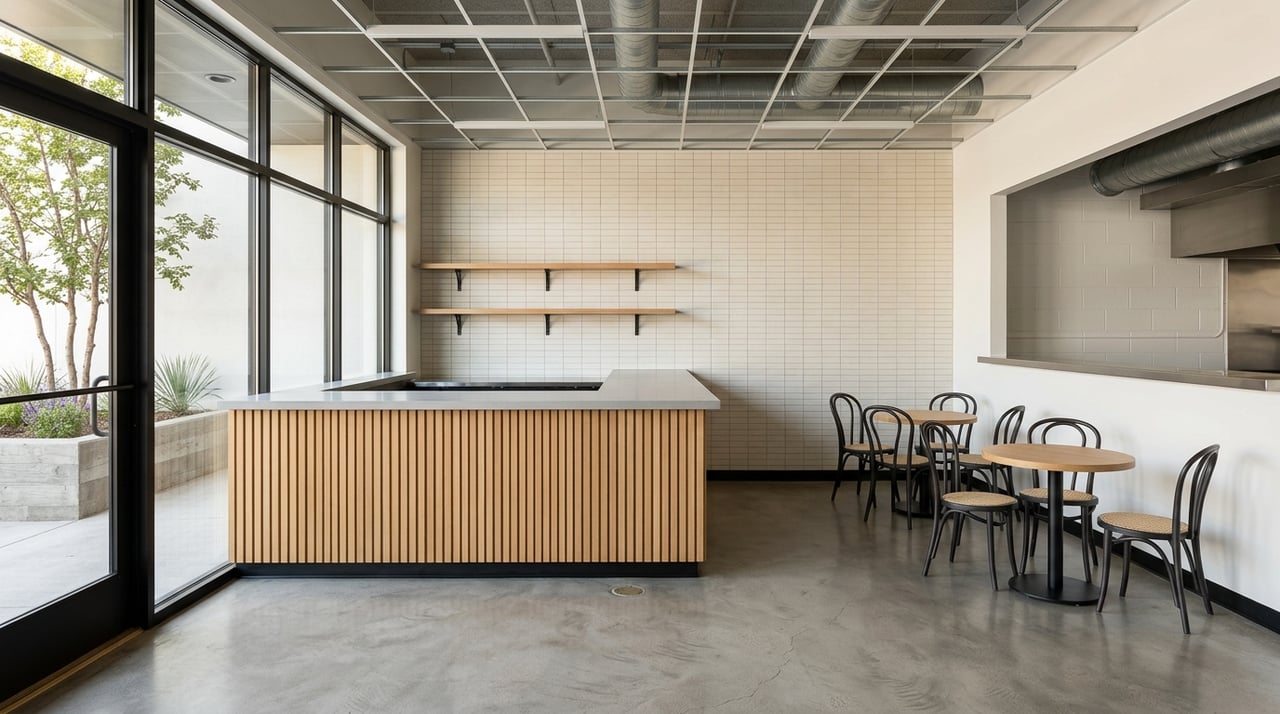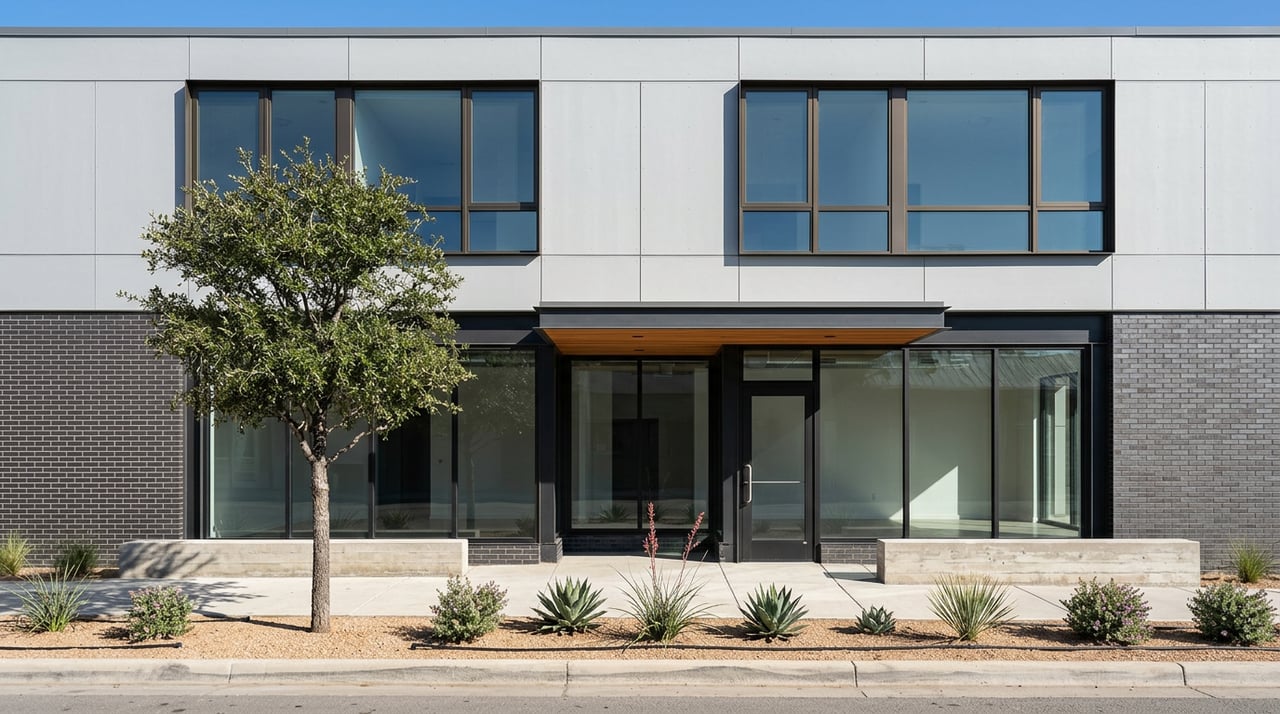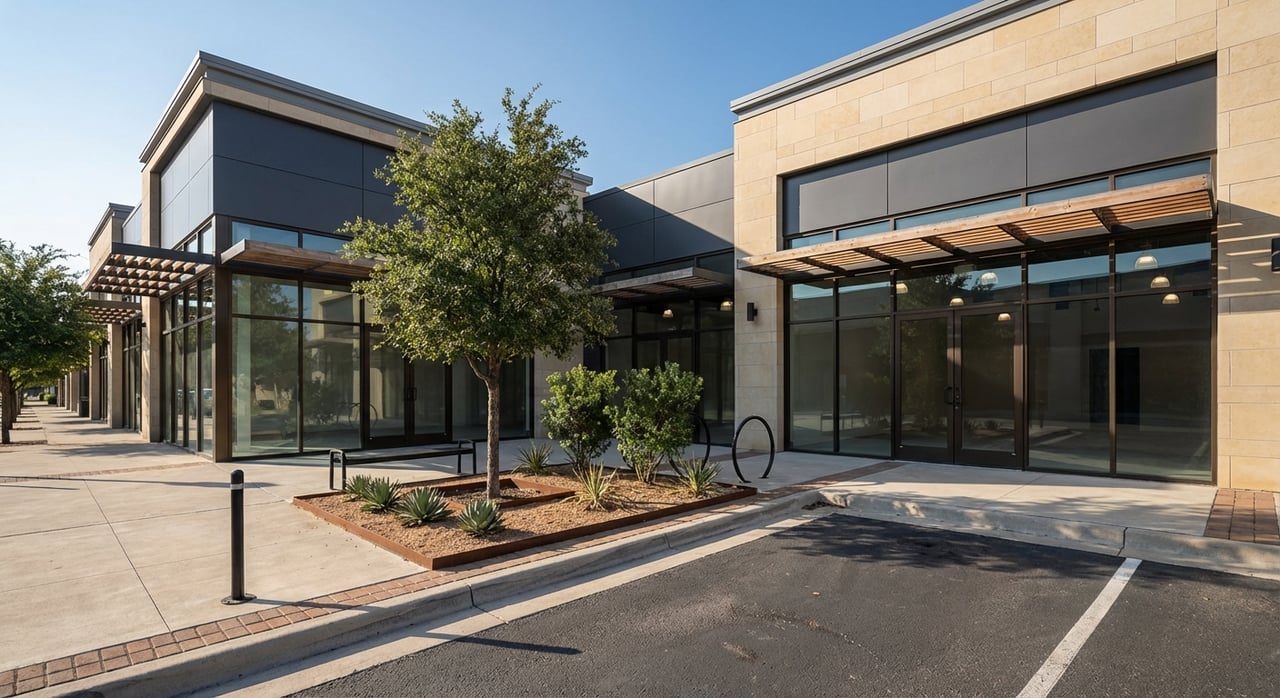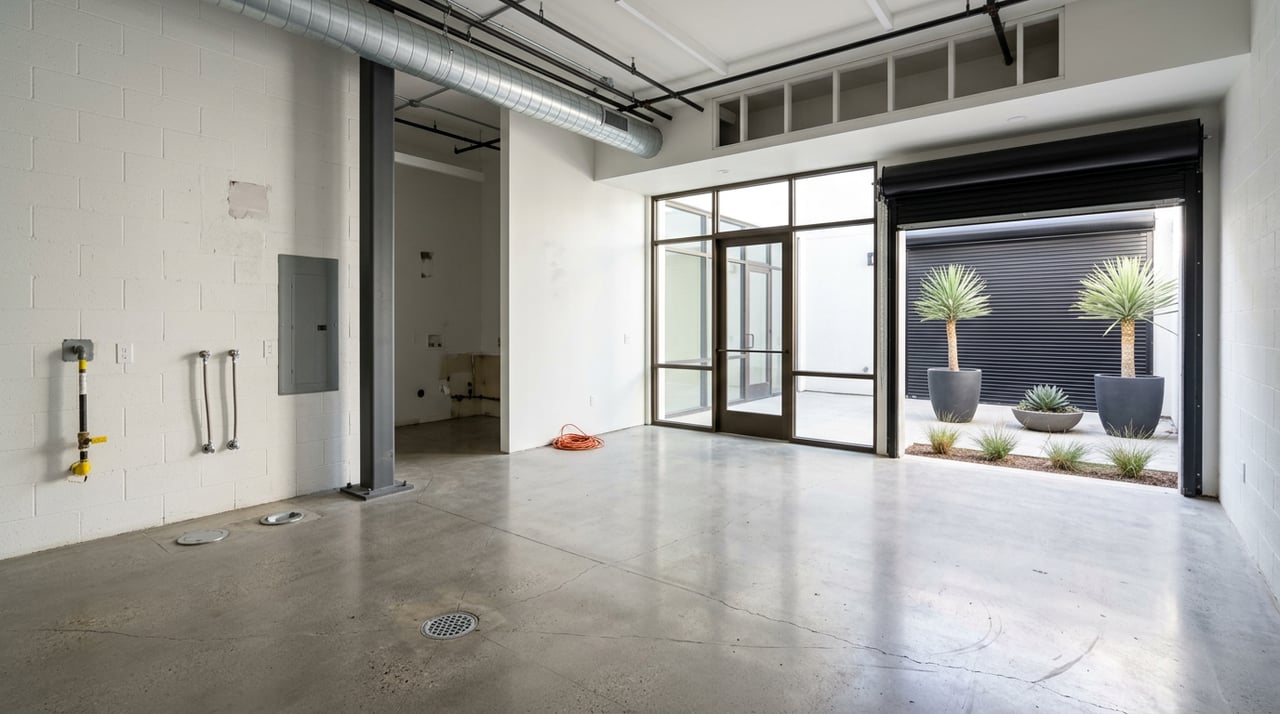
You can find two Austin restaurant spaces at the same rent, yet end up with two very different budgets, timelines, and headaches. The difference often hides in the exhaust above your cookline, the tank under the slab, and the permits that unlock opening day. If you are comparing spaces, you need a clear way to evaluate what rent does not show. This guide gives you the critical Austin-specific checks, what to ask for on tours, and how to negotiate the real cost drivers. Let’s dive in.
Austin costs beyond the rent
Ventilation and fire suppression
If your concept uses grease-laden cooking, you likely need a Type I hood with a listed wet-chemical suppression system. Austin enforces National Fire Protection Association standards through the Fire Department. Start by confirming the hood type, suppression status, and documentation on site. Review acceptance testing and ongoing reporting requirements so you know the system is current and on record with the city. You can review high-level NFPA 96 guidance in this overview and check Austin Fire’s permit and compliance process for acceptance testing and third-party reporting.
- Learn the basics in this NFPA 96 summary: ventilation and fire protection requirements.
- See Austin Fire’s process for acceptance testing and compliance reporting: AFD permits and fire protection compliance.
What to ask for on tour:
- Is there a Type I hood installed, and is it sized for your cookline?
- Is a wet-chemical suppression system present, and can you see the acceptance certificate?
- Are duct access panels visible, and do service tags show recent inspections and cleanings?
Red flags: no hood where heavy cooking is planned, missing or untested suppression, or grease-laden ductwork without access panels.
Grease interceptors and records
Austin requires grease interceptors for commercial food preparation and sets minimum sizing and routing rules. Interceptors under 100 gallons will not be approved. If you have a dishwasher, a larger gravity interceptor is often required. Confirm the interceptor’s location, capacity, condition, and routing, then ask for recent pump-out manifests. The city requires regular maintenance and recordkeeping, so these documents should be easy to produce.
- Review the city’s rules and sizing criteria: Austin Grease Trap Sizing & Design.
- Check required pump-out schedules and recordkeeping: Grease Trap Maintenance.
What to ask for on tour:
- Where is the interceptor and what is its capacity and model?
- Can you see the last 12 months of pump-out manifests?
- Are the dishwasher and warewash sinks routed to the interceptor per city rules?
Make-up air, electrical, and gas capacity
Even a perfect hood will not run without the right make-up air and utility capacity. Check the main electrical service size, panel space, and meter. For upgrades or changes, Austin Energy may require an Electric Service Planning Application, and line extensions or service work can add months and cost. Confirm gas service and meter capacity by location and provider, and verify that your hot water system can meet demand.
- See Austin Energy’s design criteria and planning steps: Commercial electric service process.
Red flags: undersized electrical service, no path for make-up air, limited gas capacity for a high-BTU line, or no space for a walk-in.
Operations: patio, loading, parking
Outdoor seating and permits
Patios can drive revenue in Austin, but the rules depend on where the seating sits. If you plan to use public right-of-way, you must secure a Sidewalk Café or Street Patio permit, plus insurance and property owner authorization. Private property patios may still require building permits, so confirm the path early.
- Read program details and requirements: Sidewalk Cafes and Street Patios.
Loading, trash, and alley access
Daily deliveries and late-night trash pulls can make or break your operation. Confirm truck access and turning radius, loading hours, and where your dumpster or carts will live. Placing containers in the right-of-way can trigger separate approvals. Austin’s commercial waste rules also set expectations for recycling and handling.
- Review the city’s commercial waste handling rules: Administrative rules for container placement.
Parking and event peaks
Austin removed minimum off-street parking requirements from the land development code, but operations still depend on access. Look at shared lots, valet options, and delivery routes that work for staff and guests. Also plan for peak demand swings during major city events like SXSW, Austin City Limits, UT football weekends, and races at Circuit of the Americas.
- Read the city’s summary of the parking policy change: Minimum parking requirements eliminated.
Permits and your timeline in Austin
Opening day depends on plan review, inspections, and approvals. For any new build or significant remodel, you will need a Food Enterprise Plan Review with Austin Public Health, plus a pre-opening inspection and a Permit to Operate. Mechanical, plumbing, electrical, and fire suppression work also require building and trade permits. Complex projects often take multiple review cycles and can stretch for weeks to months, especially if you add a rooftop duct run or a new grease interceptor.
- Start with the health department path: Fixed Food Establishments plan review.
Tip: Book early conversations and pre-application meetings so reviewers can flag likely issues before you finalize a lease or construction schedule.
Build-out costs and negotiation plays
Typical cost drivers to watch
Many of the biggest expenses never show up in asking rent. In Austin, high-cost items often include the hood, ductwork and suppression system, grease interceptor installation, rooftop fan and curb, make-up air and HVAC changes, new electrical or gas service, walk-in cooler or freezer, plumbing to grease, ADA restroom upgrades, and demolition. Local contractors report a wide range for build-outs depending on scope and conditions, so your concept and the starting infrastructure will move the number.
- See Austin-specific build-out context and ranges: Restaurant build-out cost overview.
Negotiation levers with your landlord
Your lease can shift real dollars and risk. Negotiate a Tenant Improvement allowance tied to hood, grease, and utility upgrades. Ask for a hood-ready or white box delivery that includes suppression, roof curb and penetrations, and properly sized sewer connections. Push for rent abatement during construction, phased rent start, or graduated steps tied to opening milestones. Clarify who pays for rooftop and structural work, and lock in approval timelines.
On-tour checklist for Austin spaces
Use this quick list while you walk a space and ask for documents on site.
Hood and suppression
- Type I or II hood installed, with model and photos.
- Wet-chemical suppression acceptance certificate and recent compliance reports. See AFD fire protection compliance.
- Duct access doors visible and service tags present. See NFPA 96 summary.
Grease interceptor and plumbing
- Location, model, and capacity, with recent pump-out manifests. Check Austin sizing criteria and maintenance rules.
- Confirm floor sinks and warewash routing to the interceptor.
Utilities and services
- Electric meter and main service size; ask if an ESPA is required. See Austin Energy design criteria.
- Gas meter size and provider for the block.
- Hot water source and capacity.
Roof and structure
- Roof access for duct runs, condition of curbs, and who pays for penetrations and waterproofing.
Deliveries and trash
- Loading hours and truck access; dumpster location and whether right-of-way placement would require a separate approval. See container placement rules.
Outdoor seating and neighborhood context
- Is planned seating on private property or in the right-of-way, and what permits and insurance are needed? See Sidewalk Cafes and Street Patios.
- Note nearby anchors and seasonal event impacts on traffic.
Permits and history
- Ask for prior health inspection reports, any open building or AFD violations, and the current Certificate of Occupancy. Start your health plan review here: Fixed Food Establishments.
Lease and financials
- TI allowance defined for hood, grease, roof, and utility work.
- CAM, insurance, and tax pass-throughs detailed, with caps or audit rights.
Lease clauses that affect real costs
- Lease type and pass-throughs. In a triple-net structure you pay taxes, insurance, and common area maintenance. Push for caps and audit rights so costs stay predictable. See a plain-language reference here: NNN glossary.
- Tenant Improvements. Spell out who pays for the hood, grease interceptor, roof work, structural changes, and permit closeout. Define acceptance criteria and who signs off on completion.
- Percentage rent. If used, pin down how breakpoints are calculated and your audit rights.
- Utilities. Clarify who pays for upgrades and require submetering where possible. Ask for written utility availability if capacity is promised.
- Roof and hood rights. Secure written rights for rooftop modifications, approval timeframes, and who restores waterproofing or structure.
- Assignment and exclusives. Protect your ability to transfer the lease and confirm any use restrictions or co-tenancy conditions.
Ready to compare spaces with confidence?
You deserve a space that fits your concept, budget, and timeline, not just your rent target. If you want a hands-on partner to walk sites, review infrastructure and permits, and structure a lease that protects your build-out, we are here to help. Connect with Lead Commercial for senior-level tenant representation and project advisory tailored to Austin’s restaurant market.
FAQs
What should I check first when touring an Austin restaurant space?
- Start with the hood type and suppression documentation, grease interceptor size and manifests, and main electrical and gas capacity. Use the city links in this guide to confirm rules.
Does Austin require a grease interceptor for my concept?
- Yes, most commercial food preparation requires an interceptor, with minimum sizes and routing rules set by the city. Review the Grease Trap Sizing & Design page.
How can outdoor seating impact my permits and timeline in Austin?
- If seating extends into the public right-of-way, you will need a Sidewalk Café or Street Patio permit plus insurance and owner authorization. See program requirements.
Why is electrical service a common schedule risk?
- Service upgrades can require planning applications, inspections, and utility work that add months. Check Austin Energy’s design criteria and get clarity early.
What build-out costs surprise Austin operators most?
- The biggest surprises usually come from ventilation and suppression, grease interceptor installation, rooftop penetrations, utility upgrades, and ADA or plumbing changes. See local context in this build-out cost overview.
Which lease terms can reduce my upfront cash outlay?
- Ask for a TI allowance tied to hood, grease, and utility work, rent abatement during construction, and a hood-ready or white box delivery with clear landlord obligations and approval timelines.