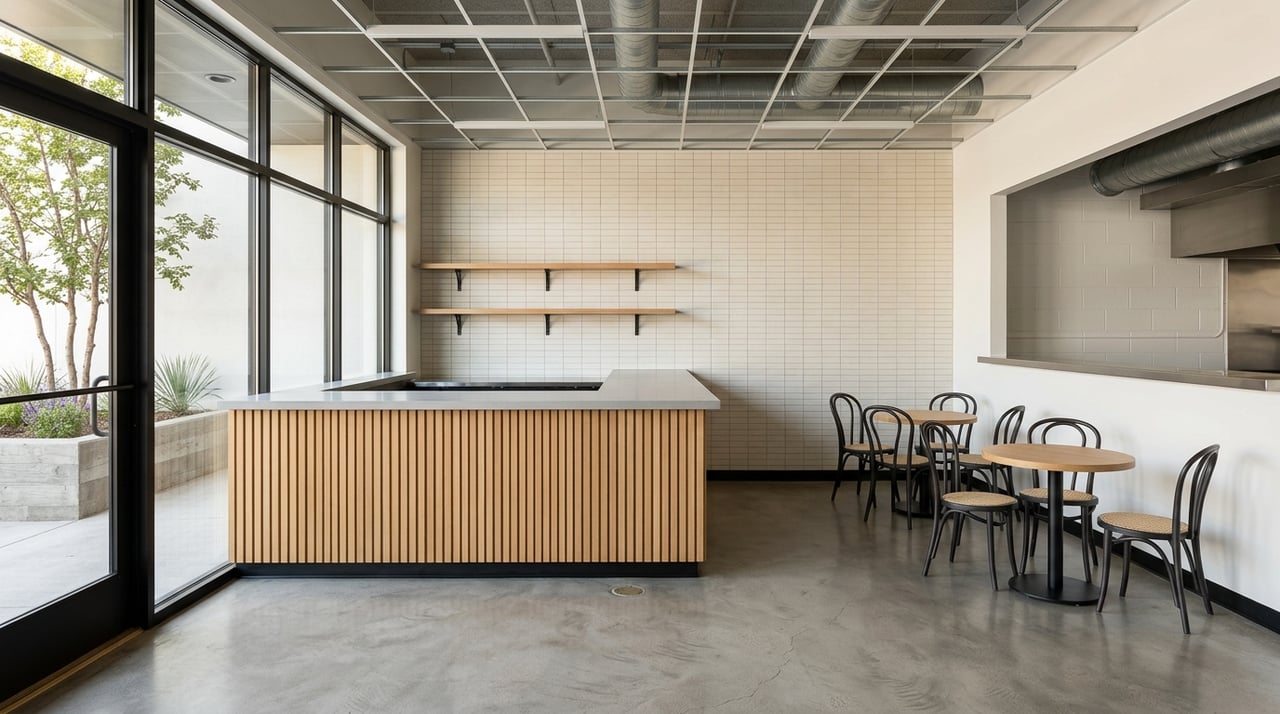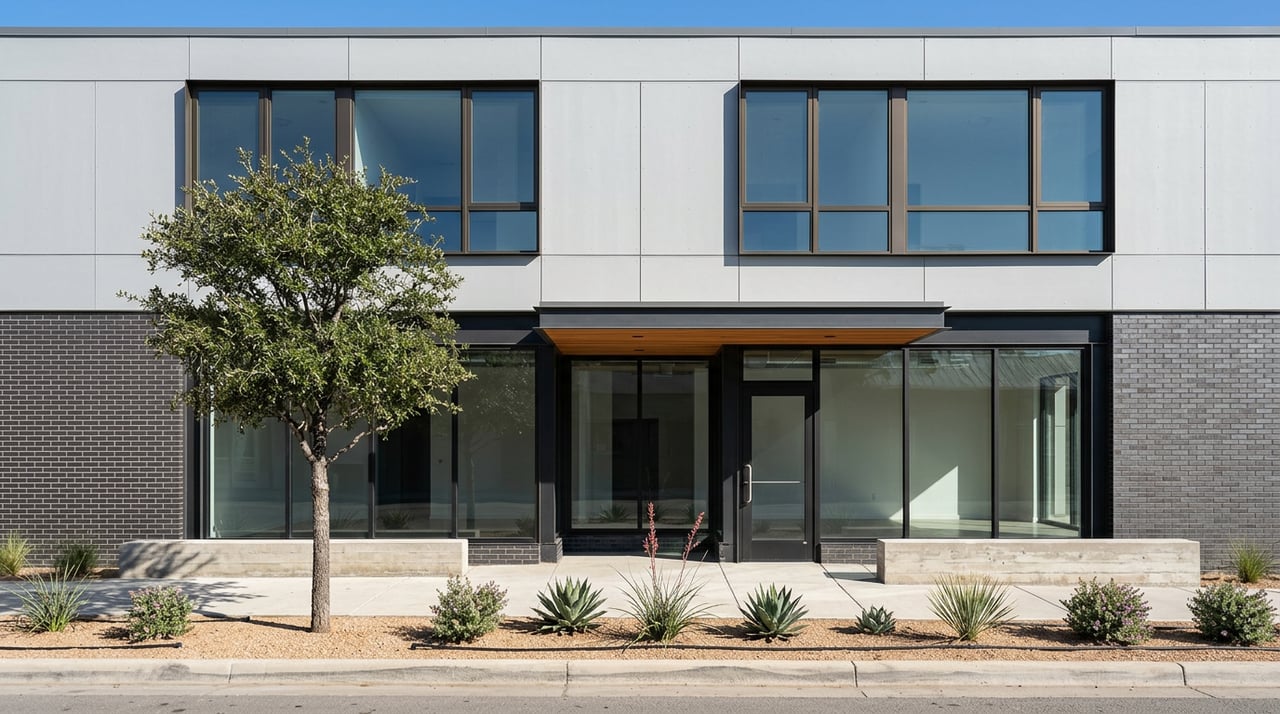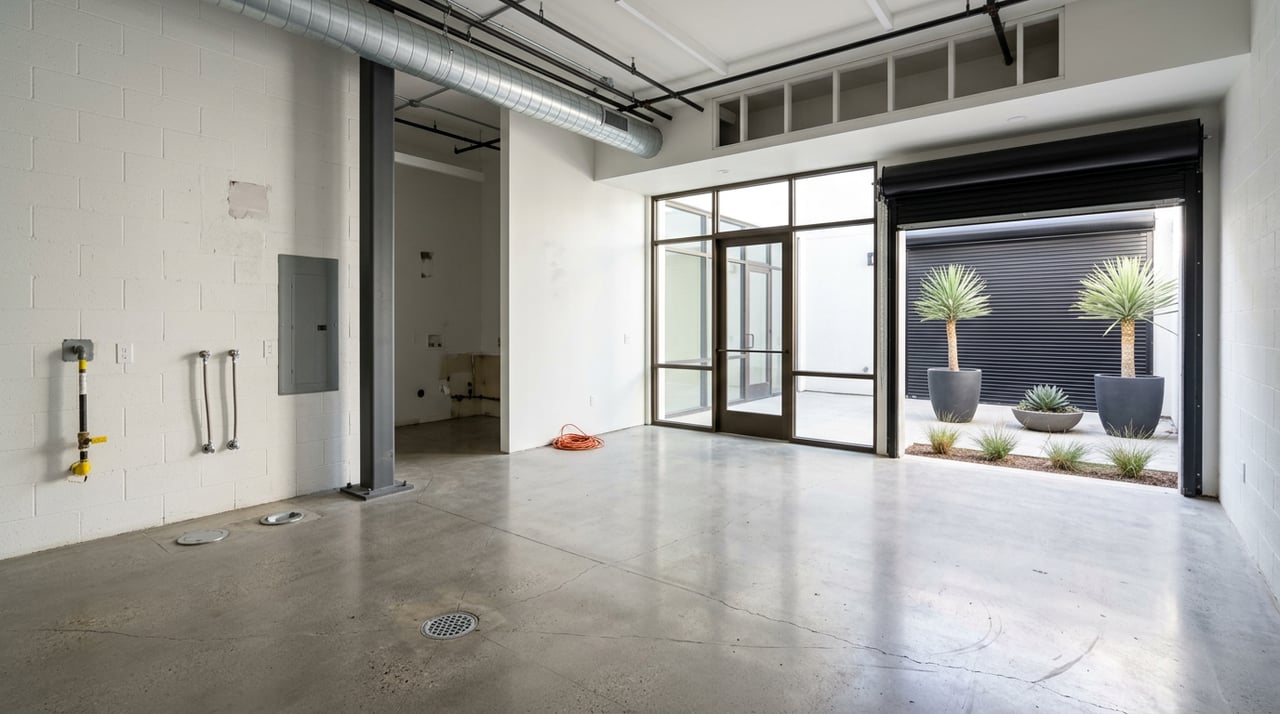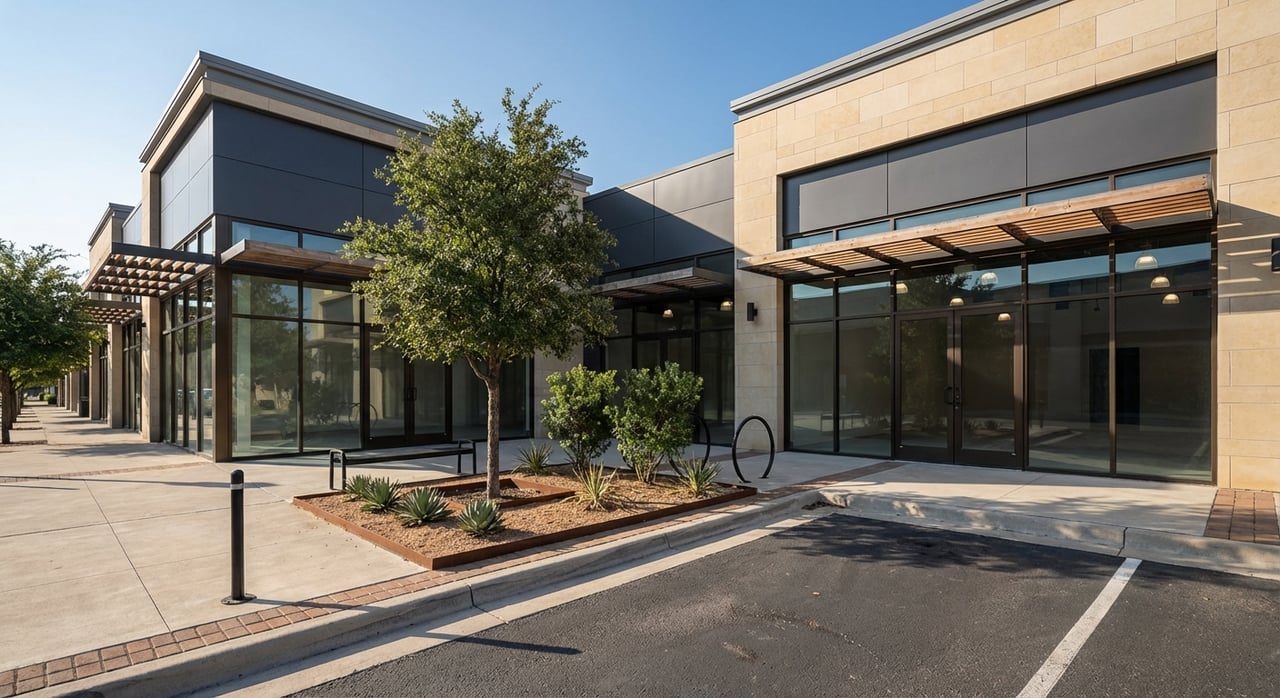
If you are opening a shop, cafe, or bar in Austin, the street you choose can make or break your concept. Some blocks pull steady passersby all day while others peak only at night or during events. You want a location that matches your customer flow, brand story, and buildout plan. This guide breaks down Austin streets that consistently support pedestrian retail and hospitality, plus a simple checklist to scout space with confidence. Let’s dive in.
What makes a street work
Great pedestrian retail starts with the sidewalk and storefront. Streets with continuous, glazed fronts, shallow setbacks, shade, and room for outdoor seating invite people to stop and explore. The City’s mobility planning ties these design basics to retail success by shaping how people move and gather. You can see those priorities in the Austin Strategic Mobility Plan, which sets the framework for multimodal access and curb use across corridors (City of Austin ASMP).
Access matters just as much as design. Corridors that layer transit stops, safe crossings, and bike facilities tend to spread foot traffic across the day, not just on weekends. Current station-area work also links future transit investments to stronger sidewalk activity and storefront opportunity, especially on major commercial corridors.
Anchors do the heavy lifting. Hotels, coffee shops, music venues, parks, and cultural sites create predictable rhythms: morning coffee lines, lunch crowds, pre-show dinners, and late-night spikes. Your best fit depends on when those peaks happen.
Finally, know the rules. Historic-district standards, station-area overlays, entertainment licensing, and right-of-way permits all shape what you can do at the curb and on your facade. Build some lead time for design review when you target regulated blocks.
Street profiles that deliver
South Congress (SoCo)
Why it works: SoCo pairs a walkable storefront pattern with a strong destination identity. It draws both locals and visitors throughout the day and on weekends, which helps support a mix of boutiques, cafes, and restaurants. The corridor also appears in recent City and CapMetro planning as a priority commercial and transit area, which signals ongoing investment in safer, more multimodal streets (South Congress station-area vision).
Anchors and drivers: Small but mighty anchors like Jo’s Coffee and its photo-loved mural act as constant magnets for casual foot traffic and tourism (Jo’s Coffee). Nearby hotels, music programming, and destination retail round out the draw.
What thrives here: Boutique apparel, specialty gifts, breakfast and brunch cafes, mid-priced experiential restaurants, hotel-facing hospitality, and pop-ups that lean into the street’s place identity.
What to check: Weekend congestion, curb use during events, and sidewalk width in front of your storefront. If your concept needs outdoor seating or product displays, confirm clear-path standards and the furniture zone early in planning.
East 6th (selected blocks east of Congress)
Why it works: East 6th is nightlife-forward. Bars, cocktail concepts, live-music rooms, and evening restaurants create strong night peaks. Many buildings sit within the Sixth Street historic district, so storefront changes, signage, and material choices often require public historic review (Historic Landmark Commission materials).
Anchors and drivers: Well-known cocktail bars like Whisler’s bring consistent evening energy and destination visitors, and venues keep the street active through late hours (Whisler’s). Tenant churn can correlate with shifts in travel patterns, so monitor how event calendars and street operations affect late-night footfall.
What thrives here: Cocktail bars, small-format restaurants with strong evening service, niche nightlife concepts, and mixed-use incubators that program evenings. Daytime retail can work on specific blocks if it targets nearby residents and daytime visitors.
What to check: Historic-district design standards, facade and signage constraints, entertainment licensing, and any policies affecting late-night operations like street closures and policing patterns.
North Loop (W/E North Loop Blvd and adjacent blocks)
Why it works: North Loop is a neighborhood-oriented, walkable strip with independent retail, cafes, and family-friendly restaurants. City staff describe a mixed-use street with sidewalks and bike lanes that serves frequent local trips rather than heavy tourist traffic (North Loop staff report).
Anchors and drivers: Neighborhood staples like Home Slice Pizza’s North Loop location, plus vintage shops, neighborhood bars, and service retail, create steady repeat visits all week (Home Slice North Loop).
What thrives here: Pizza and fast casual, family restaurants, coffee shops, vintage and housewares, and personal services. Concepts that rely on loyal, repeat neighborhood customers do best.
What to check: Mixed zoning along the corridor can affect parking and loading. If your use involves cocktail-lounge liquor rules, confirm whether a Conditional Use Permit applies. Proximity to bus stops can also boost walk-in trade.
Downtown districts that perform
Why it works: Downtown benefits from daytime worker and resident density, hotels and conventions, and year-round events like SXSW and ACL. Ongoing placemaking, including the Congress Avenue Urban Design Initiative, is designed to expand pedestrian space and support storefront activation over time (Congress Avenue initiative).
Anchors and drivers: State and civic institutions near the Capitol, major hotels, the convention center, and programmed plazas such as Republic Square produce daytime peaks and event surges. Second Street functions as a key retail and dining spine.
What thrives here: Quick service that captures office-day demand, higher-end restaurants near hotels and cultural anchors, visitor-serving shops by civic sites, and event-oriented pop-ups. Performance can swing with return-to-office patterns and the event calendar.
What to check: Construction staging and streetscape projects can temporarily reduce access or visibility. Track phasing schedules and coordinate opening timelines to avoid heavy impacts.
Match your concept to the foot-traffic clock
- Day-dominant corridors: SoCo and parts of downtown see strong daytime and weekend browsing. Boutique retail, cafes, dessert, and experiential shops perform well.
- Night-dominant corridors: East 6th skews evening into late night. Cocktail bars, music-forward venues, and kitchens that run late align with the peak.
- Mixed patterns: Downtown can be both day and evening near hotels and event venues. Quick service wins lunch, while full service captures pre- and post-event dining.
As you evaluate a block, map the hourly rhythm you need to win. Then test whether nearby anchors and mobility options actually deliver that timing on the sidewalk.
Field checklist for scouting a storefront
Use this quick list on your next walk-through. Prioritize the early items first, since they have the biggest impact on performance.
- Sidewalk width and frontage zone
- Can you fit displays, an A-frame, or 8 to 12 outdoor seats without blocking the clear path? Confirm city standards for clear width and furniture placement.
- Continuous storefront line and transparency
- Do you see active, glazed ground-floor windows on both sides of the block? Long gaps or curb cuts break the walk and hurt browsing. The Congress Avenue initiative shows how continuous frontage supports a better pedestrian zone (Congress Avenue initiative).
- Nearby anchors and their timing
- Identify transit stops, hotels, parks, universities, and venues. Review event calendars for conventions and festivals. Note when each anchor produces traffic that matches your service windows.
- Curb operations and deliveries
- Where will deliveries, pickups, and waste service happen? Check posted curb hours and loading zones so operations do not conflict with your patio or peak customer windows. The ASMP outlines how curb priorities can shift by corridor (City of Austin ASMP).
- Zoning and overlays
- Check parcel zoning, any station-area or ETOD overlays, and historic-district status. Confirm whether your use needs a Conditional Use Permit, especially for cocktail-lounge rules. Staff reports and HLC agendas reveal the constraints you will face on specific blocks (North Loop staff report; Historic review materials).
- Observed footfall and customer profile
- Spend time on-site during key windows: weekday breakfast, lunch, early evening, and weekend midday. Ask neighboring operators about hourly patterns and seasonal swings. Pair that input with any district data you can access.
- Permits and design-review lead time
- If you are on a historic block or within an active public-realm project, allow extra time for design review and right-of-way permits. Front-load this to keep your buildout on schedule.
Next steps
If you are leaning SoCo, East 6th, North Loop, or a downtown block, start with a timing map of your ideal customer traffic. Walk the corridor, note anchors and curb conditions, and photograph storefront lines and sidewalks. Cross-check zoning and any station-area or historic overlays before you commit to a plan set. A few hours of fieldwork can save weeks of redesign later.
You do not have to navigate it alone. If you want senior-level, local guidance from scouting through permitting and buildout, let’s talk. We help restaurateurs, retailers, and neighborhood owners match concepts to the right block, then manage the details through opening. Connect with Lead Commercial to start a conversation.
FAQs
Where can you find pedestrian-count data for downtown Austin?
- The Downtown Austin Alliance publishes district reports and runs place-based programming that can inform foot-traffic patterns; for leasing decisions, pair on-site observations with any data you can request from district partners or property managers (Downtown Austin Alliance annual report).
How do you check if outdoor seating is allowed at a location in Austin?
- Review the City’s Sidewalks, Crossings & Shared Streets Plan for clear-path standards and coordinate with Austin Transportation/Public Works for right-of-way encroachment permits; historic-district storefronts require additional review (Sidewalks and Shared Streets Plan).
Does this guide include rent ranges or typical lease terms for these corridors?
- No. This guide focuses on street dynamics. Validate rents and terms with recent comps and a commercial broker who knows the specific blocks you are considering.