Where should you plant your next Austin concept so the numbers pencil and the vibe fits your brand? If you are weighing Downtown foot traffic against East Austin character or want parking without losing visibility, you are not alone. In this guide, you will see how independent operators are finding workable spaces across four key corridors, what each area does best, and the nuts and bolts that affect timelines and costs. Let’s dive in.
Austin demand is shifting
Austin’s dining demand has moved with the city’s growth. Office return has been gradual, which changed weekday patterns in the core. At the same time, new multifamily and steady residential growth have pushed evening and weekend demand into mixed-use and neighborhood corridors. Events like SXSW and Austin City Limits still drive traffic surges, and tourism continues to support destination dining.
For you, this means peak periods and revenue mix can look different by corridor. Lunch may be stronger near office clusters downtown, while dinner and late night can lead in East Austin. South Lamar and North Central often rely more on neighborhood draw, so consistent local marketing and fit matter.
Downtown: high traffic, higher costs
Who it serves
Downtown brings a dense mix of office workers, hotel guests, condo residents, and event visitors. You will see steady tourist flow, with spikes during major events. Nightlife districts add evening energy, while quick-service can perform near office nodes during the workweek.
Best-fit space types
- Ground-floor retail in new or historic mixed-use towers
- Small, premium shell spaces that need full tenant improvements
- Food halls and curated marketplaces in core areas
- Limited large-format standalone options
Considerations to plan for
- Rents and operating costs sit at the top of the Austin market, and landlord build-out allowances vary, sometimes modest.
- Parking is scarce. Expect valet, paid garages, and tight curbside windows. If your concept depends on free parking, pick another corridor.
- Entertainment overlays and noise rules influence hours and patio planning.
- Concepts with higher check averages or strong bar programs often perform better here. Fast-casual can work with weekday office traffic.
East Austin: creative space, flexible formats
Who it serves
East Austin blends longtime local businesses with acclaimed new restaurants and bars. Many blocks are walkable, and the area pulls urban residents, nightlife customers, and food-focused visitors who seek chef-driven and trend-forward concepts.
Best-fit space types
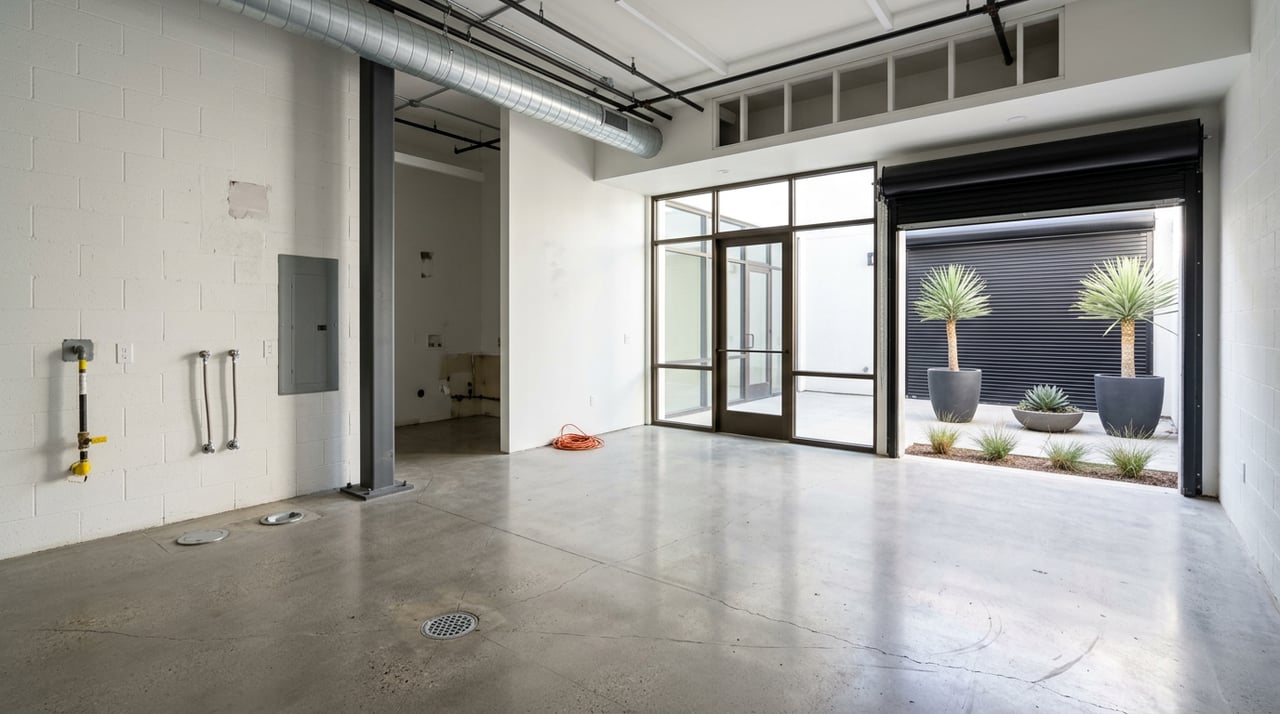
- Converted warehouses or former industrial buildings with high ceilings and loading access
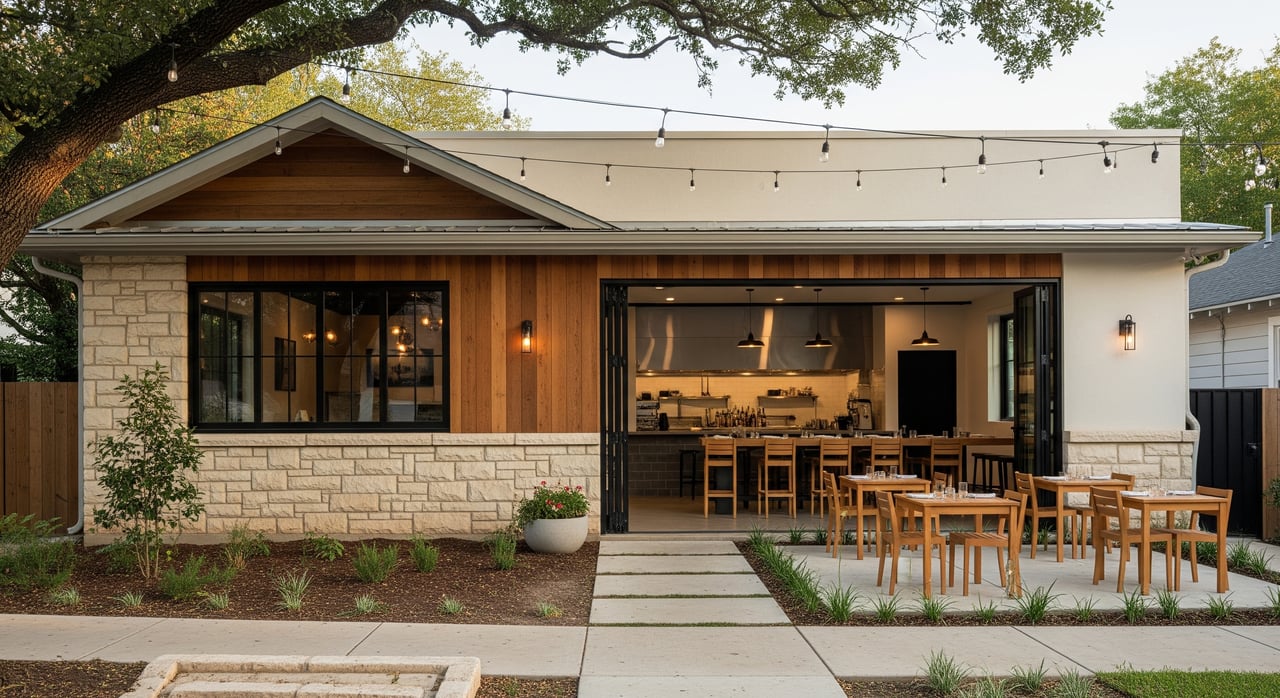
- Bungalow conversions with patio potential
- Small to medium ground-floor retail in new mixed-use projects
- Food truck pods and smaller vendor marketplaces
Considerations to plan for
- Industrial buildings can offer generous kitchen footprints and easier hood placement, but grease and ventilation planning still drive time and cost.
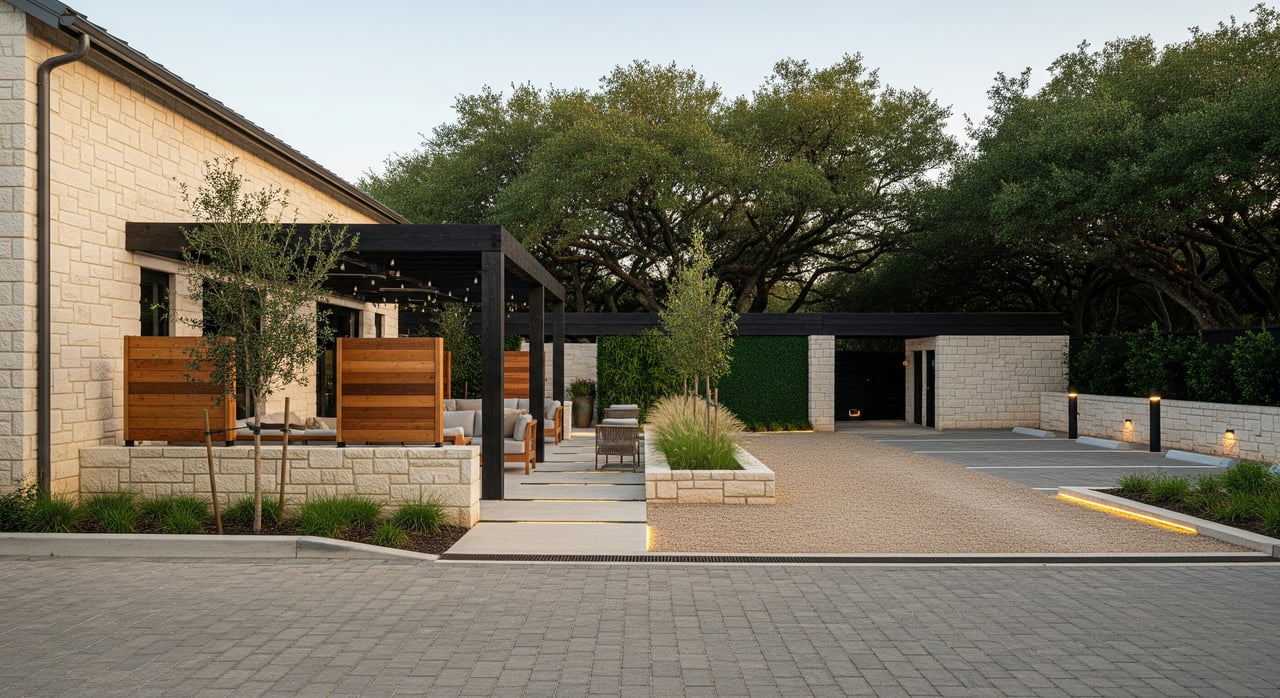
- Parking varies widely. Expect on-street parking, small lots, or shared agreements.
- Neighborhood plan and historic overlays can shape signage and exterior work. Align early on design.
- Community acceptance matters. Thoughtful engagement and a respectful build plan go a long way.
South Lamar: visibility and parking
Who it serves
South Lamar is a long corridor that mixes neighborhood residents, young professionals, and destination diners. Its proximity to outdoor destinations like Zilker Park and Barton Springs adds daytime and weekend traffic.
Best-fit space types
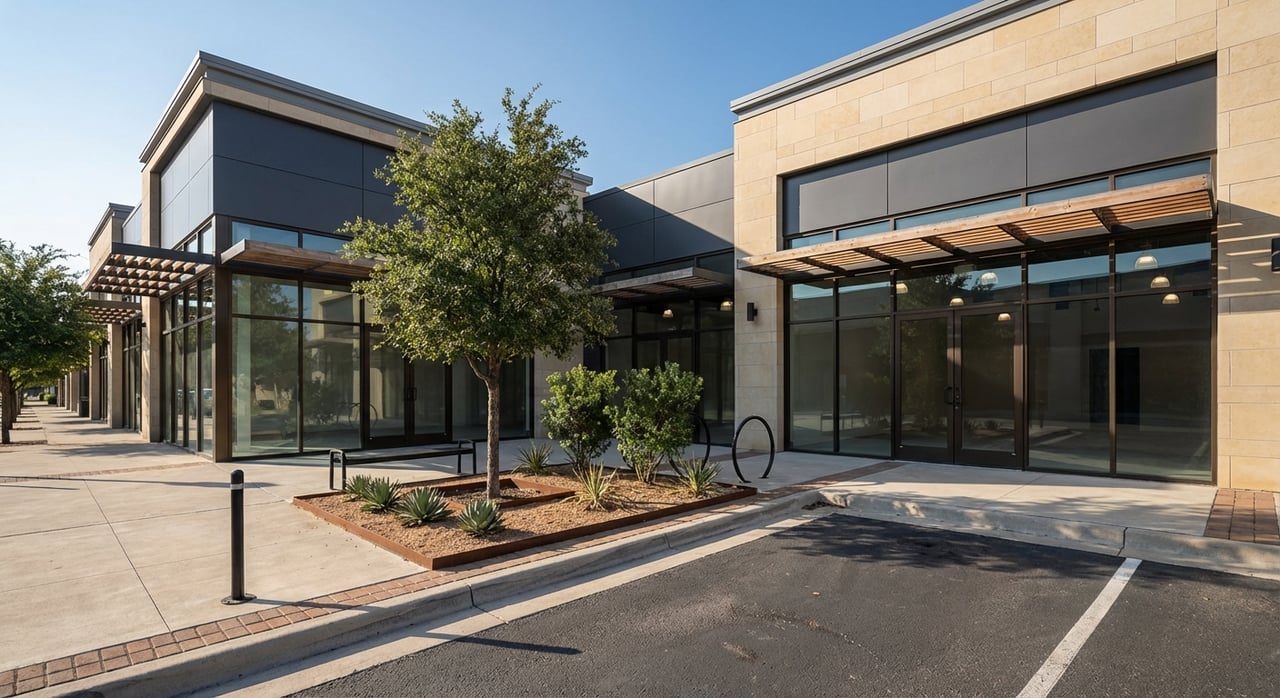
- Strip-center storefronts with surface parking
- Ground-floor spaces in low to mid-rise mixed-use
- Former retail spaces that adapt well to full-service kitchens
- Occasional small infill parcels sized for restaurant buildouts
Considerations to plan for
- Drive-by visibility and curbside access are strengths. Parking is typically more workable than downtown and some East Austin blocks.
- Competition is real. Clustering creates strong peer effects, which can help or hurt depending on your differentiation.
- Landlord allowances can be more flexible in older centers, but utility condition, hood placement, and grease systems vary by space.
North Central: neighborhood staples
Who it serves
North Central includes Burnet, Brentwood, North Loop, and Anderson Lane. It pairs older commercial corridors with newer infill. The area serves neighborhood patrons, families, students, and long-term residents with steady local demand.
Best-fit space types
- Older strip centers and single-tenant spaces with surface parking
- Small converted houses in walkable pockets that suit intimate concepts
- Low-rise mixed-use nodes near transit corridors
Considerations to plan for
- Rents are generally lower than downtown, and landlords can be more flexible on build-outs.
- Older buildings may require utility upgrades and grease interceptors. Add this to your capex model.
- University-related demand supports lunch and late-night in certain subareas, though daily volumes are often modest compared with downtown or East Austin destinations.
Space types and what to check
Use this quick checklist when you tour potential sites:
Building type and fit
- Mixed-use ground floor: high visibility and stricter branding rules.
- Strip-center storefront: surface parking and often simpler utility access.
- Converted house: strong character, tighter ventilation capacity.
- Industrial warehouse: room for big kitchens, more HVAC and grease work.
- Food hall or vendor stall: lower upfront cost, limited brand control.
Kitchen and hood
- Confirm existing hood, make-up air, and grease interceptor.
- Check rooftop exhaust path and landlord or engineering limits.
Utilities and waste
- Verify electrical capacity, gas availability and pressure.
- Assess dumpster placement and shared alley logistics.
Parking and deliveries
- Count stalls and confirm loading access and delivery windows.
- Review curbside and idling rules in the core.
Lease terms
- Expect base rent plus CAMs. In high-traffic areas, percentage rent may appear.
- Negotiate tenant improvement allowance, step-ups, abatement, and restoration responsibilities.
Zoning and overlays
- Confirm permitted use and any conditional overlays that affect hours.
- Historic and neighborhood overlays can limit exterior changes and signage.
Permits and timeline planning
Austin openings run through several agencies. Save time by planning in parallel and sequencing inspections correctly.
Austin Public Health
- Food establishment permits and plan review. Many build-outs require plan review before construction.
City of Austin Development Services
- Building, mechanical, electrical, plumbing permits and inspections. Hood and grease work often drive the critical path.
Austin Fire Department
- Occupancy and life-safety inspections.
Texas Alcoholic Beverage Commission
- Start alcohol licensing early. Lead times can affect your opening date.
Most full-service restaurant build-outs take 4 to 9 months or more based on scope. Move-in-ready second-generation kitchens or food-hall stalls can compress that timeline. The biggest schedule swings come from hood install, grease management, and structural or rooftop work.
How to scout effectively
Walk the corridor
- Visit on multiple days and times. Compare weekday lunch to weekend nights. Listen for noise, watch for parking behavior, and measure foot traffic.
Track local signals
- Follow food and local press for openings, closings, and clustering. Patterns reveal where your concept can complement rather than copy.
Bring a hard-hat checklist
- Confirm hood path, grease trap situation, HVAC capacity, gas and electrical service, and ADA items during the first walkthrough.
Engage early
- Talk with nearby businesses and neighborhood associations. Early conversations can surface delivery, noise, or parking concerns and build support.
Leverage specialists
- Hospitality-focused commercial brokers can help screen sites, negotiate TI, and coordinate permitting and construction sequencing with your project team.
Match concept to corridor
Use these quick cues to align your model with the right address:
Downtown
- Best for higher check averages, bar-forward concepts, or fast-casual that captures office and tourist flow. Plan for premium rents and limited parking.
East Austin
- Strong for chef-driven, casual upscale, experimental, or patio-led concepts. Expect flexible spaces with variable parking and more design conversations.
South Lamar
- Solid for family-friendly full service, brewpubs, and mid-priced dinner concepts. Benefit from visibility and parking, but stand out among strong peers.
North Central
- Ideal for neighborhood restaurants, casual concepts, and brunch or lunch models. Watch capex for older utilities and grease systems.
Ready to walk sites with a plan?
You can find a great Austin location, but the win comes from matching your concept to the corridor, confirming hood and utilities early, and sequencing permits without surprises. If you want a senior-led partner who understands the blocks, the buildouts, and the community fit, connect with Lead Commercial to talk options and next steps.
FAQs
Which Austin corridor delivers quick foot traffic for new restaurants?
- Downtown has built-in tourist and event activity. East Austin draws food-focused and nightlife crowds. South Lamar and North Central rely more on destination and neighborhood draw.
Where are build-outs typically more affordable or faster in Austin?
- Older strip centers and some North Central spaces can be more flexible and cost effective. Downtown shell spaces are pricier per square foot. Industrial East Austin can be economical per square foot but needs careful hood and grease planning.
How critical is existing hood and grease infrastructure when choosing a site?
- Very critical. Lack of a workable exhaust path or grease interceptor can add months and significant cost. Heavy fry or charbroil concepts should prioritize existing systems.
What lease terms should I expect for restaurant space in Austin?
- Many landlords target 5 to 10 year terms with options. You can negotiate tenant improvement allowance, rent step-ups, abatement, and restoration obligations. Food halls may offer shorter terms.
How long do Austin permits and inspections usually take for restaurants?
- Plan several weeks to months depending on scope. Hood, grease, and structural changes extend timelines. Start TABC applications early if alcohol is part of your plan.
Which space types work best for lower upfront capital in Austin?
- Food halls, vendor stalls, and some delivery or commissary models can reduce initial costs. Second-generation kitchens also compress timelines and capex.