Thinking about buying a small mixed-use building in Austin’s urban core? You are not alone. Investors are eyeing storefronts on walkable corridors and compact buildings with character, but today’s market asks for a sharper pencil. In this guide, you will learn how to read current fundamentals, underwrite risk and upside, navigate VMU and conversion rules, and map financing. Let’s dive in.
Market snapshot: what is working now
Downtown Austin shows a split picture. Office vacancy has climbed into the low-to-mid 20 percent range, while ground-floor retail has stayed comparatively tight with occupancy in the mid-90 percent range. Recent reporting highlights the pressure on upper-floor office and the durability of well-located retail that serves both daytime and evening activity. You can see this pattern in local coverage of downtown vacancy and in the Downtown Austin Alliance’s research on city center performance. For context, review the Austin Monitor’s summary of downtown office softness and the Alliance’s State of Downtown insights:
- Office availability is elevated, which heightens renewal risk for small suites and creative offices. Austin Monitor’s coverage of downtown office conditions lays out the challenge.
- Retail remains relatively tight in prime downtown and inner-core corridors, supporting street-level value and activation. See the Downtown Austin Alliance State of Downtown research.
Multifamily delivered heavily across the metro from 2022 through 2025. That wave softened rents and lifted vacancy in parts of the market, with signs of stabilization emerging later in 2025. For small mixed-use, treat apartment upside as location sensitive. Central, walkable submarkets often perform differently than peripheral areas. For national context and late-2025 signals, see Cushman & Wakefield’s U.S. Multifamily MarketBeat.
On pricing, many broker summaries in 2025 placed small-asset and neighborhood retail cap rates in the mid-to-high single digits, with spreads by tenant credit, term, and mix. Use recent local comps to set your range, then adjust for risk. For a market overview reference, review Matthews’ investment insights.
What this means for you:
- Prioritize sites with durable retail demand and proven pedestrian exposure.
- Underwrite upper-floor office conservatively, with plan B options if leasing lags.
- Consider conversion or reconfiguration if the structure and zoning allow it.
What you are buying: common small formats
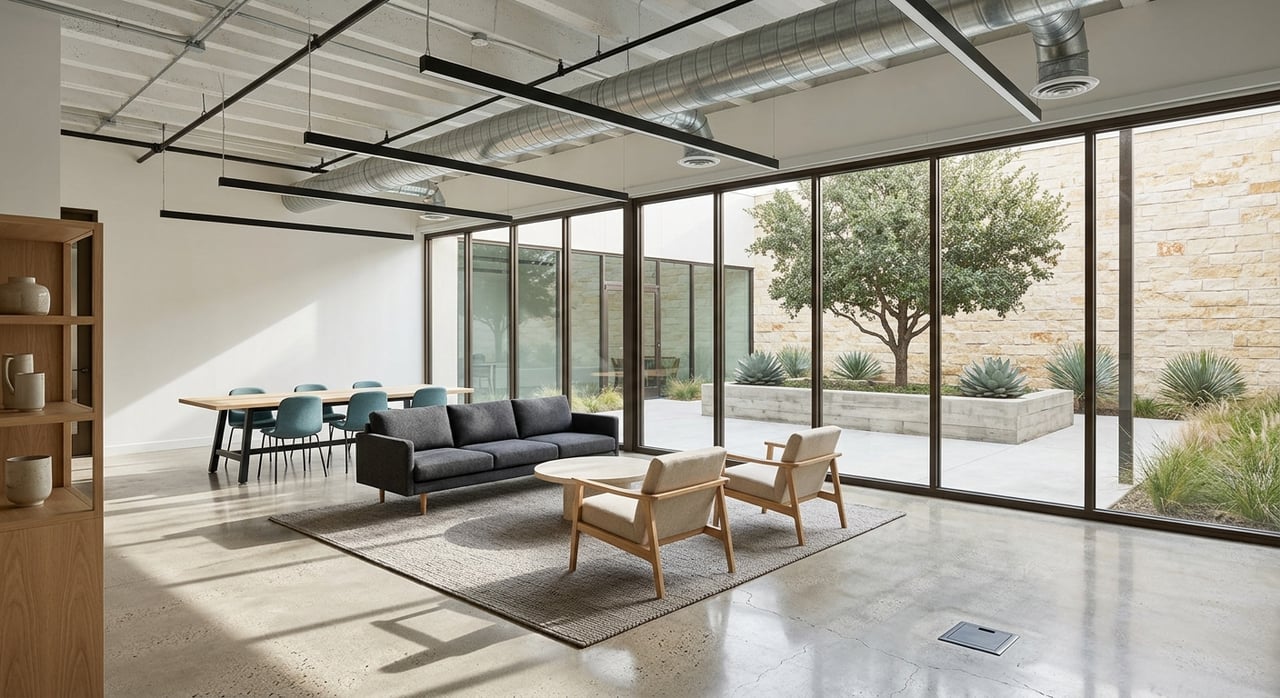
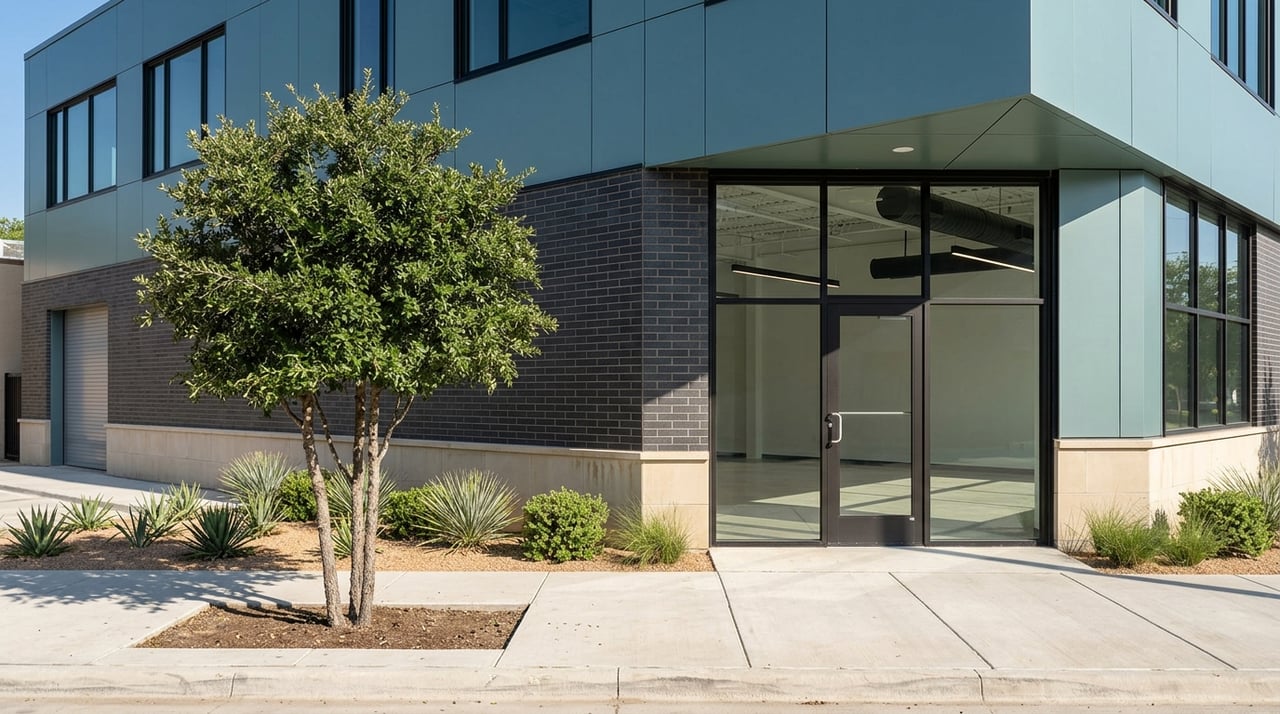
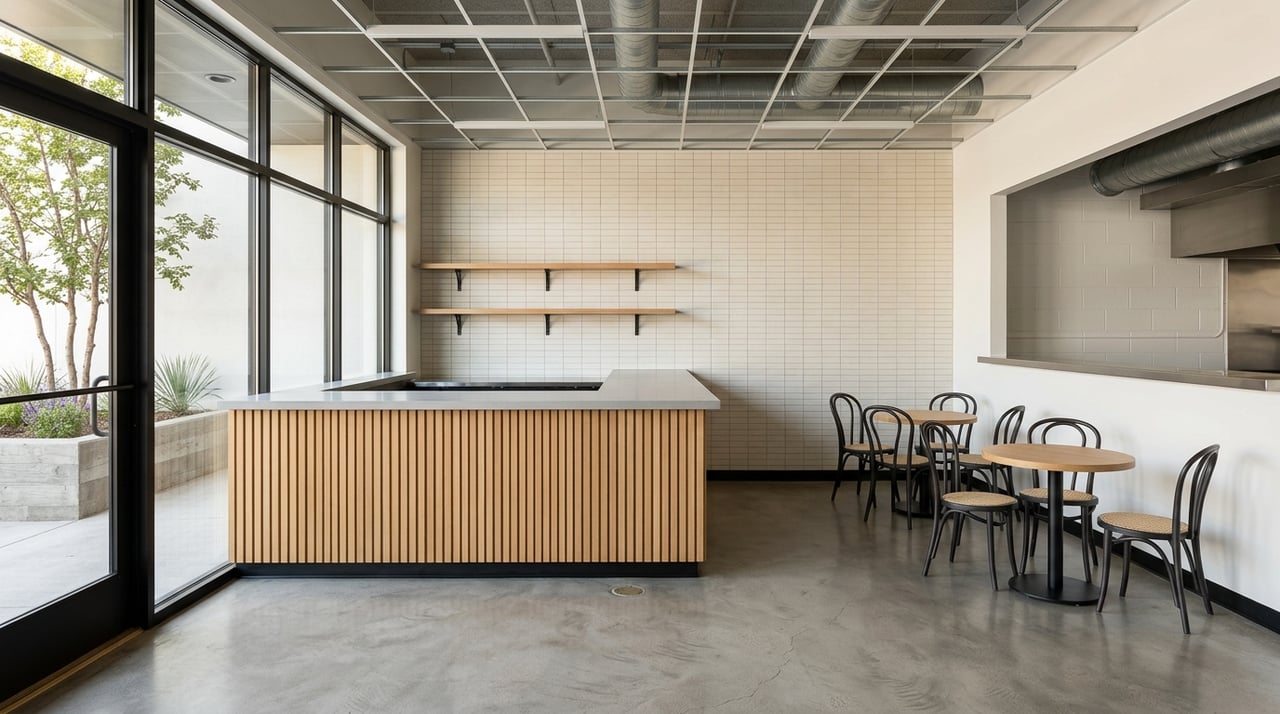
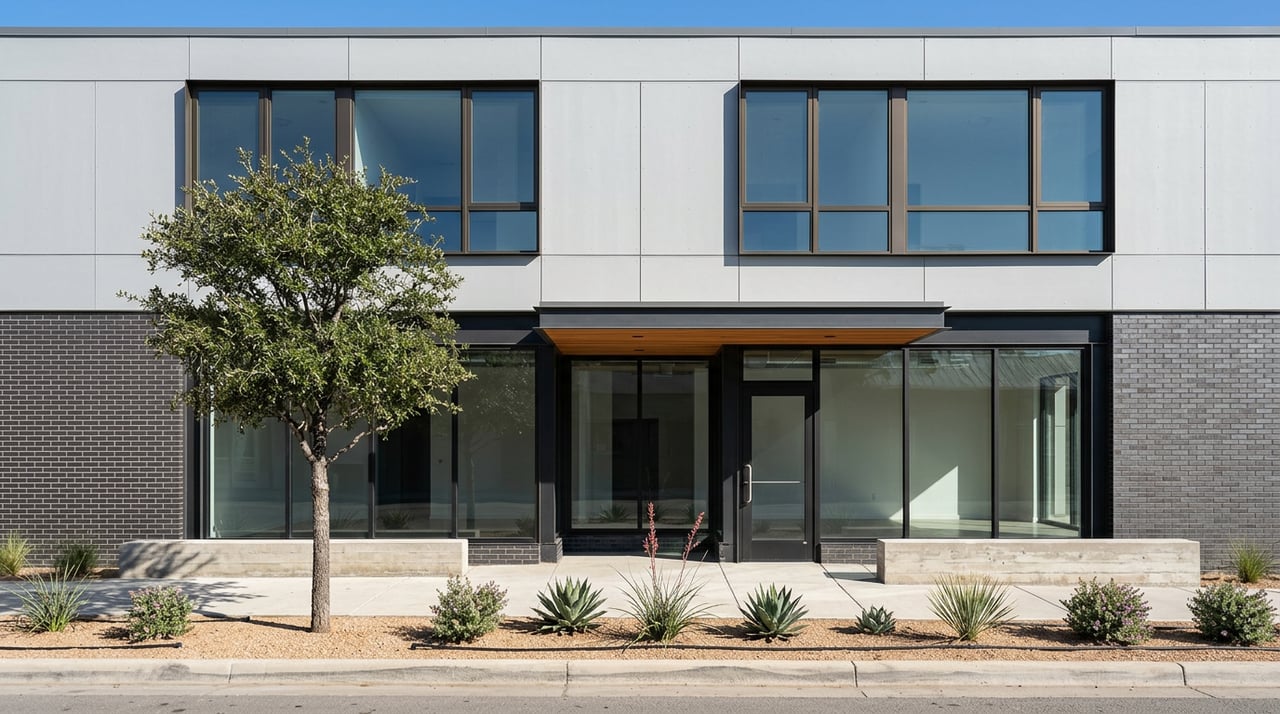
Most urban-core mixed-use buildings you will tour are low-rise, 2 to 4 stories, with storefronts at grade and office or apartments above. Retail bays often fall in the 500 to 3,000 square foot range, either single-tenant or split into 2 to 4 bays. Upper floors vary. Office levels are typically carved into small suites for professional services, design firms, clinics, or creative teams. Residential floors often mix one- and two-bedroom units, where finish quality and character drive rents relative to newer towers.
Income mix to expect:
- Ground-floor retail: strongest when leased to neighborhood food and beverage, coffee, personal services, or necessity retail. Lease structures may be NNN, modified gross, or percentage leases for high-sales restaurants.
- Upper-floor office: shorter terms, higher TI expectations, and higher rollover risk than before 2020. Model downtime and concessions.
- Residential: steadier cash flow on a smaller rent base, which can smooth overall income.
Expense drivers to watch: property taxes are material in Texas, along with insurance, common-area utilities, management, and capital reserves for roof, mechanicals, and life-safety upgrades. You can reference the City’s current rate page to model taxes by jurisdiction at the City of Austin tax rate page.
Zoning, VMU and conversion tools
Austin’s Vertical Mixed-Use and density-bonus tools shape what you can build, add, or convert. They also influence parking and required ground-floor activity.
- VMU and updated density programs can allow more height and reduced parking near transit in exchange for affordability or other benefits. Always confirm your parcel’s base zoning, any combining districts, and whether ground-floor activation is required. Start with the City’s overview on VMU and related changes: City of Austin VMU and density-bonus guidance.
- Parking and frontage rules on designated corridors can trim or waive off-street parking, which matters on tight downtown lots.
- Office-to-residential conversion is possible but technical. Floor plate depth, window lines, mechanicals, egress, elevator counts, and parking all matter. Plan for design, code review, and longer schedules. For a practical primer on feasibility and constraints, see Brookings on office-to-residential conversion.
A local illustration of adaptive reuse and activation is the Seaholm District, where city-led entitlements helped transform a former industrial site into a walkable mixed-use node. The case shows how policy, design, and active ground floors work together. Review the City’s Seaholm planning presentation for reference.
Underwrite the deal step by step
Use this framework to turn a listing into a clear pro forma and plan.
1) Market and zoning pre-check
- Pull parcel zoning, overlays, and any VMU or density-bonus eligibility. Note height, parking, and ground-floor use requirements. Start with the City’s VMU overview noted above.
- Gather downtown and corridor market data for rents, vacancy, and comps. Use the Downtown Austin Alliance State of Downtown for context on core activity and recent trends: State of Downtown research.
2) Document and physical due diligence
- Rent roll and leases: capture lease types, expiration dates, options, TI obligations, and any percentage rent.
- Building systems: roof, HVAC, electrical capacity, plumbing, life-safety, elevator code status, and egress. Note items that impact conversion feasibility.
- Compliance: confirm certificates of occupancy by use and any nonconforming conditions.
3) Financial inputs and stress tests
- Income: in-place rents plus other income with vacancy and credit loss assumptions. Run multiple vacancy scenarios, especially for office.
- Expenses: taxes, insurance, utilities, management, routine maintenance, and reserves for capital items. Use the City’s published rates as a starting point for tax modeling by parcel: Austin tax rates.
- Value: stabilized NOI divided by a market cap rate. Stress cap rates by 100 to 200 basis points to see sensitivity. For market guidance on small-asset retail, consult Matthews’ insights and cross-check local comps.
- Financing: many lenders set DSCR floors near 1.20 to 1.35 and LTV bands near 60 to 75 percent depending on the deal and sponsor. Market conditions after the 2022 to 2024 rate hikes have kept underwriting conservative. For an overview of lender posture, see Capital Funding’s 2025 CRE lending guide.
4) Financing pathways
- Local or regional banks and credit unions: common for small mixed-use, with terms tied to sponsor strength and tenancy.
- SBA 7(a) or 504: if you will owner-occupy a majority of the property, SBA programs may fit. Confirm eligibility and occupancy tests with your SBA district office or CDC. Start at SBA 504 Loans.
- Agency multifamily: if the residential portion includes 5 or more units and meets program rules, small-balance agency loans can be competitive.
- Bridge or private lenders: helpful during lease-up or when funding heavy TI or conversion work.
5) Execution plan and timing
- If you plan to reconfigure suites, add units, or convert uses, map the timeline now: schematic design, entitlements, permits, construction, and lease-up.
- Line up soft costs for design, engineering, and code compliance. Build in contingency for both time and budget.
- Start pre-leasing and talk to target tenants early to reduce downtime.
6) Exit and risk scenario
- Build a base, downside, and upside case. Vary cap rates, rent growth, and vacancy duration by use type. Stress floating-rate debt.
- Show hold-period returns under each case and set leasing thresholds that trigger your plan B.
Value-add plays that work in the core
- Activate the street: improve signage, lighting, glazing, and patio zones; curate a retail mix that pulls consistent foot traffic.
- Shift to NNN where feasible: move controllable expenses off the landlord’s ledger on new retail leases.
- Re-size office: split large floor plates into smaller, flexible suites to meet current demand, or explore short-term licenses for creative users.
- Model conversion paths: if office renewal risk is high, price a conversion to residential or alternative uses that fit code and structure. Start with a feasibility screen using the Brookings checklist on conversion constraints.
Quick on-site checklist
- Zoning and overlays: confirm VMU or density-bonus eligibility, parking, height, and any ground-floor use requirements. Use the City’s VMU page to orient before you write offers.
- Rent roll reality: note expirations, TI exposure, and near-term rollover on office. Model a longer vacancy for upper floors than for retail.
- Physical systems: roof, HVAC, electrical capacity, egress, and elevator. Identify conversion blockers early.
- Financing fit: match your plan to the right lender type and underwriting box. Consider SBA only if you will occupy. Keep DSCR and LTV tests front and center.
Common pitfalls to avoid
- Underestimating taxes: Texas property taxes are significant. Underwrite with the City’s current rate references and check parcel-specific assessments at the Austin tax rates page.
- Ignoring code triggers: even small reconfigurations can require life-safety, accessibility, or egress upgrades. Budget time for design and permits.
- Overpaying for office upside: in today’s market, office lease-up can take longer and cost more. Underwrite conservative timelines and TI.
- Parking assumptions: VMU and corridor tools can help, but confirm your property’s exact requirements before you promise tenants a parking count.
When to move forward
You have a green light when the ground-floor story is strong, your upper-floor plan has both a base case and a back-up case, and your financing is sized to conservative DSCR and cap-rate stress. In a split market, patience and preparation are your edge. If you align zoning, structure, and tenant demand with a thoughtful value-add plan, small mixed-use can deliver durable street-level income and long-term appreciation.
Ready to map a local plan and walk through comps, zoning, and a phased scope for your building or target corridor? Let’s connect. Lead Commercial offers senior-level, hands-on brokerage and project advisory to help you underwrite, permit, and execute with confidence. Let’s talk about your property.
FAQs
What makes small mixed-use in downtown Austin attractive right now?
- Ground-floor retail remains comparatively tight while office is softer, so you can pair durable street-level income with an upper-floor repositioning plan supported by Downtown Austin Alliance research and Austin Monitor office coverage.
How do Austin’s VMU and density-bonus tools affect a central-corridor property?
- They can allow added height and reduce parking near transit in exchange for affordability or other benefits. Always confirm your parcel’s exact rules using the City’s VMU overview.
How should I underwrite upper-floor office risk in today’s market?
- Separate your vacancy and downtime assumptions for office from retail, price TIs and concessions, and prepare a conversion or reconfiguration plan informed by Austin Monitor’s office insights.
When does an office-to-residential conversion make sense downtown?
- When floor plates, window lines, mechanicals, and egress work within code, and when demand supports apartment rents. For a feasibility checklist, review Brookings’ conversion guide.
What cap rates should I use to value a small mixed-use building in Austin?
- Many 2025 broker summaries placed small-asset and neighborhood retail in the mid-to-high single digits, with spreads by credit and term. Cross-check local comps and see Matthews’ market insights.
Which financing options fit a small investor buying mixed-use in Austin?
- Local banks for stabilized or light value-add, SBA 7(a) or 504 if you will owner-occupy the majority, agency debt if 5 or more apartments qualify, and bridge loans for heavier repositioning. See SBA 504 Loans for eligibility.
How do I forecast Austin property taxes on a mixed-use deal?
- Pull current City and overlapping rates, then apply to a realistic assessed value. Use the City’s reference page as a starting point: Austin tax rates.