What gives a commercial property staying power in Austin? It is rarely just age, location, or rent roll alone. In this market, legacy value usually comes from a harder-to-fake mix of history, street presence, cultural relevance, and the ability to keep serving people over time. If you are evaluating a building, a corridor, or a repositioning opportunity, it helps to know what signals matter most in Austin. Let’s dive in.
Legacy means more than old
In Austin, “legacy commercial property” is not a formal city label. A practical definition is a building or district that combines age, architectural integrity, community recognition, and long-term commercial usefulness.
That idea lines up with how the City of Austin talks about preservation, cultural districts, legacy-business support, and place-based reinvestment. The city notes that historic landmarks must be at least 50 years old, retain historic integrity, and meet significance criteria, but legacy value often reaches beyond landmark status alone.
A property can feel legacy-rich because of how people know it, use it, and remember it. In many cases, the building matters not only as real estate, but also as part of a corridor’s identity and economic life.
Why Austin rewards legacy assets
Austin has a deep preservation base, with more than 600 historic landmarks, 8 local historic districts, and 18 National Register historic districts. That large inventory tells you something important: older buildings are not fringe assets here. They are part of the city’s built and economic fabric.
The city also ties preservation to broader goals like sustainability, arts space, small-business growth, and neighborhood identity. That means legacy properties often carry value beyond the lease. They can help attract the kinds of users who want character, visibility, and a real connection to place.
For owners and buyers, this creates both opportunity and responsibility. A well-positioned legacy property can stand out in the market, but it often requires a more thoughtful plan for upgrades, leasing, signage, and long-term stewardship.
The core traits of a legacy property
Age and historic integrity
Age matters, but not by itself. In Austin, a building’s value as a legacy asset grows when it still retains the features that make it recognizable and distinct.
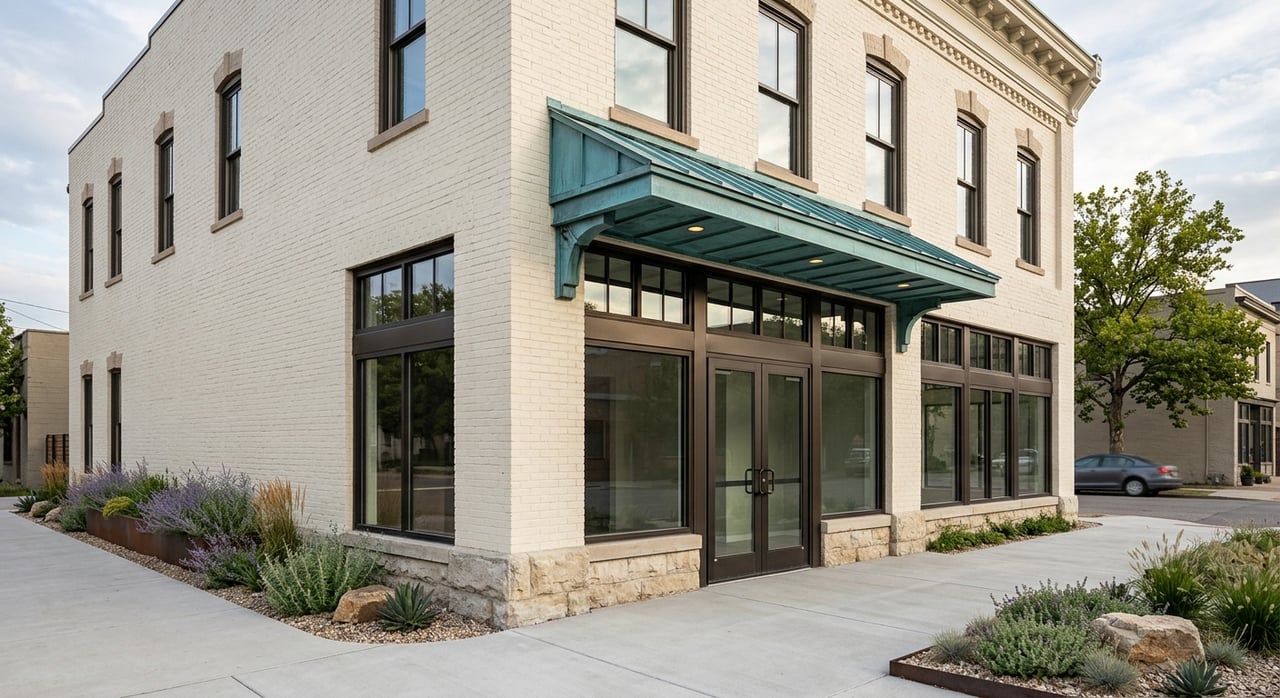
That can include façade rhythm, original scale, street-facing character, and architectural details that give the property a sense of continuity. If those elements survive, the building is more likely to hold its identity even as tenants and systems evolve.
Community recognition
The strongest legacy assets usually have meaning beyond rent. They may be known as long-running local businesses, cultural anchors, music venues, artisan spaces, or simply familiar places that help people orient themselves within a district.
This kind of recognition may be formal or informal. What matters is whether the property has a real place in local memory and civic life.
Ongoing commercial usefulness
A true legacy property still works. It can support modern occupancy, evolving business needs, and practical improvements without losing the qualities that made it valuable in the first place.
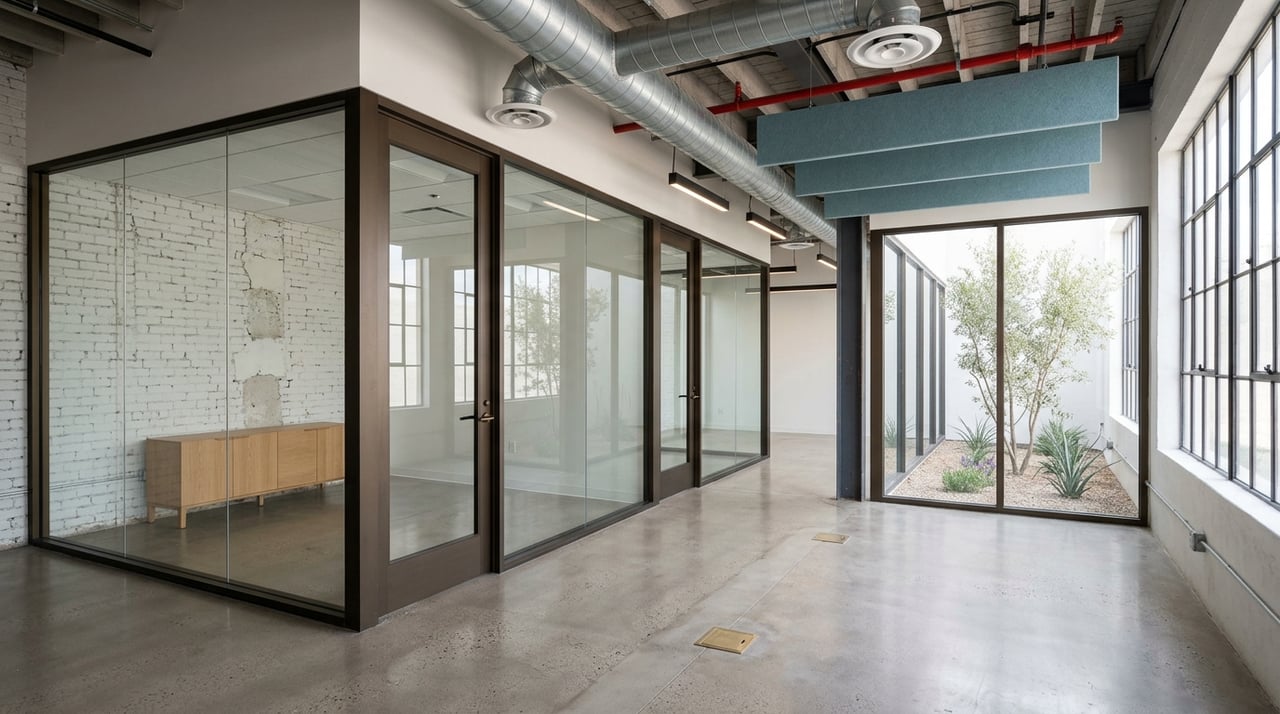
That is especially important in Austin, where adaptive reuse often creates some of the city’s most compelling commercial spaces. The building has to be memorable, but it also has to remain useful.
Corridor contribution
Legacy value often comes from the street as much as the structure. Some Austin corridors carry long-term civic and economic importance because they offer walkability, public investment, and a distinct sense of place.
When a building contributes to that larger corridor story, its identity tends to strengthen over time. In Austin, the public realm is not separate from building quality. It is part of it.
The corridor can make the property
Austin’s best legacy assets often sit on streets where the corridor itself adds value. The Downtown Austin Plan emphasizes historic places, interconnected public spaces, and a distinctive sense of place, while the Great Streets Program focuses on a more pedestrian-oriented downtown experience.
That matters because a building does not perform in isolation. Streetscape quality, walkability, public improvements, and coordinated district standards can all shape how a property is experienced by tenants, customers, and investors.
In practical terms, a good legacy candidate often benefits from being in a corridor where the city, property owners, or both are already investing in the place. That can support visibility, foot traffic, and long-term relevance.
Tenant mix matters more than you think
A building starts to become legacy when its tenants reinforce the identity of the street over time. In Austin, that often means local restaurants, music venues, creative offices, nonprofits, cultural groups, and other independent operators that feel rooted in place.
The city’s Place-Based Enhancement Program reflects this local view. It is designed to support commercial affordability for small businesses, legacy businesses, nonprofits, cooperatives, and creative-sector users, and it defines legacy businesses as those with 20 years in Austin or 10 years in a recognized Economic and Cultural District.
That policy context says a lot. In Austin, longevity and local fit are not side notes. They are part of what gives a commercial property meaning and staying power.
Architecture should support adaptation
One reason older commercial buildings remain so valuable in Austin is that they can offer flexible space with strong character. The city has found that areas with a majority of pre-1945 buildings hold a disproportionate share of Austin’s arts and cultural facilities.
City analysis also shows that pre-1945 areas have more than twice the density of small-business jobs and more than 60 percent greater density of new-business jobs than areas built mostly after 1970. Those older areas also tend to support more women- and minority-owned business density.
The takeaway is clear: legacy buildings often work because they can adapt. They give tenants room to shape a space around their operations while keeping the scale, texture, and street presence that make the property memorable.
Reinvestment should protect character
Legacy does not mean frozen in time. In Austin, thoughtful reinvestment is part of the model.
The city’s preservation and redevelopment framework points toward a balance of modernization and continuity. Historic or potentially significant properties may require review for exterior alterations, additions, permanent site work, and signs, which means improvement plans often need more lead time and coordination than a standard value-add project.
That extra planning is not just red tape. It reflects a local expectation that upgrades should support the next chapter of the property without erasing the traits that give it civic and commercial value.
Austin examples that show the pattern
Downtown and Congress Avenue
Congress Avenue offers one of the clearest examples of legacy value tied to both building history and street identity. The Old Bakery and Emporium, built in 1876, remains one of the few reminders of Austin’s past while serving as an artisan emporium, gallery, visitor center, and history site.
Nearby districts also show how legacy can evolve through adaptive reuse and public-private coordination. The 2nd Street District and Seaholm demonstrate how dense, walkable mixed-use areas can build on site history while supporting public benefits.
South Congress
South Congress is useful because it blends corridor branding, walkability, and long-term recognition. The area is widely identified by the city as an iconic Austin experience, and the corridor’s property owners have supported shared improvements through a public improvement district structure.
For a property owner or investor, that is a strong signal. Legacy value grows when the street itself has a stable, recognizable identity that tenants and visitors already understand.
East Sixth Street
East Sixth shows how a nightlife-heavy corridor can still function as a managed place-based asset. The district’s public improvement framework supports coordinated services and public improvements, which helps reinforce the corridor as more than a loose collection of storefronts.
In legacy terms, that means a building can gain strength from district-level stewardship. A recognizable street ecosystem often supports stronger long-term positioning for the properties within it.
East Cesar Chavez and East 12th Street
These corridors matter because they highlight cultural continuity, not just building age. The city identifies East Cesar Chavez as one of Austin’s oldest districts and East 12th Street as a historic business corridor, while the broader African American Cultural Heritage District is framed as a living narrative of resilience and community pride.
For legacy-property analysis, that is an important distinction. Sometimes the most meaningful value comes from how a place carries forward community identity through commercial use.
Red River and Burnet Road
Red River shows how tenant mix can define a legacy corridor. The city describes it as one of Austin’s most important cultural centers, with live music venues and related businesses supporting the tourism and creative economy.
Burnet Road offers a different lesson. The city’s mobility program there shows how reinvestment in safety, accessibility, and movement can shape the long-term performance of nearby commercial property, even outside the most historic core.
How to evaluate a legacy opportunity
If you are looking at an Austin commercial property through a legacy lens, a few questions can sharpen your thinking:
- Does the property have meaning beyond rent?
- Can it adapt without losing the features that make it recognizable?
- Is the corridor being invested in as a long-term place?
- Does the likely tenant mix feel locally rooted and complementary?
- Will your improvement plan strengthen the property’s identity rather than flatten it?
These questions help separate a simply old building from one with lasting place-based value. In Austin, the difference matters.
Why this matters for owners and tenants
For owners, a legacy asset can support stronger positioning, more distinctive marketing, and deeper tenant alignment when handled well. For tenants, especially local operators, character-rich properties can help express brand identity and connect your business to the street around you.
The best outcomes usually come from matching the right property, the right corridor, and the right operating vision. That takes local context, practical execution, and a clear understanding of what should change and what should stay.
If you are weighing a legacy commercial property in Austin, the goal is not to romanticize the past. It is to understand what gives a place durability, relevance, and commercial life over time. If you want a partner who can help you evaluate, position, or market that kind of asset with both pragmatism and local stewardship, Lead Commercial is ready to help.
FAQs
What is a legacy commercial property in Austin?
- In Austin, a legacy commercial property is best understood as a building or district that combines age, historic character, community recognition, and ongoing commercial usefulness.
Does a legacy commercial property in Austin have to be historic?
- Not always, but historic age and integrity often strengthen legacy value, especially when the property also plays a recognized role in a corridor or community.
Why do Austin corridors matter when evaluating legacy property?
- Corridors matter because walkability, public investment, district identity, and shared improvements can increase a property’s long-term relevance and market position.
How does tenant mix affect an Austin legacy property?
- Tenant mix matters because locally rooted businesses, creative users, and cultural operators often reinforce the building’s identity and deepen its connection to the surrounding area.
What should owners consider before renovating a legacy property in Austin?
- Owners should consider whether the building can be modernized without losing key character features, and whether any historic review requirements may affect exterior changes, site work, additions, or signage.