You do not have to erase a building’s past to unlock its next chapter. If you own or are evaluating a vintage retail property in Austin, you are likely balancing character, cost, permitting, and tenant demand all at once. The good news is that Austin still rewards thoughtful reinvestment in older storefronts, especially when the plan respects the building, fits the corridor, and solves the right shell issues first. Let’s dive in.
Why Austin still supports repositioning
Austin remains a workable market for older retail assets that are repositioned with care. In late 2025 and early 2026, local and institutional market reporting pointed to positive retail absorption, active leasing, and healthy demand tied to population growth, a tech-driven economy, and the city’s creative identity.
That backdrop matters if you are weighing whether to hold, sell, or reinvest. It suggests there is still tenant appetite for well-located retail, especially in neighborhood, community, and strip-center formats, and for experience-driven concepts that benefit from visible, character-rich space.
Austin’s planning culture also supports this kind of work. City guidance consistently favors active ground-floor uses, transparent storefronts, pedestrian-oriented frontages, and design choices that reinforce a street’s identity rather than flatten it.
Start with the building’s status
Before you sketch a new façade or market the space to tenants, verify whether the property has any historic designation. In Austin, that means checking whether the building is a landmark, inside a local historic district, or part of a National Register district.
This step is not a formality. If the property falls into one of those categories, Austin requires a historic review application for many exterior alterations, additions, permanent site work, and signs. The city has hundreds of landmarks and multiple local and National Register districts, so this can affect more properties than owners expect.
If historic review applies, storefront work needs to be approached carefully. Austin’s historic design standards specifically address storefront rehabilitation and reconstruction, which is especially relevant for older retail buildings that have been altered over time.
Preserve the storefront rhythm
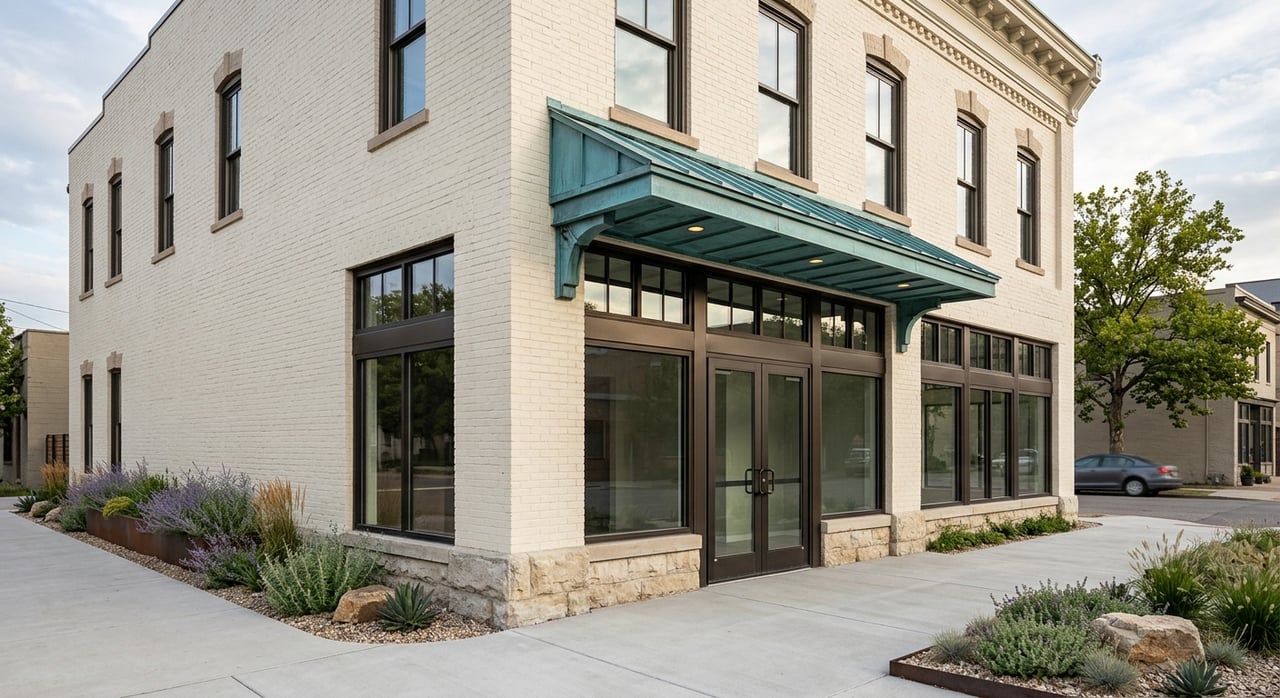
The strongest vintage retail repositionings in Austin usually keep the original storefront composition legible. That does not mean freezing the building in time. It means recognizing the features that give the façade its proportion, rhythm, and street presence.
For many older retail buildings, the most valuable elements include display windows, recessed entries, transoms, and cornice lines. Austin’s historic standards allow commercial storefronts to be rehabilitated in a more modern style while still recognizing historic character, which creates room for an updated look without losing the building’s identity.
This is often where value starts to show up. A restored or rebalanced storefront can improve visibility, create a stronger leasing story, and make the space feel more intentional to both tenants and customers.
Treat signage as part of the architecture
In Austin, signage should be scoped with the façade, not added at the end. City rules require a sign permit for outdoor signage, along with a sign-district determination and the right drawings for wall and awning signs.
There are also clear limits. New off-premise signs are prohibited, and awning signage depends on an existing awning building permit. If you are planning a brand refresh or a leasing campaign, it is smart to test sign feasibility early so your design and marketing stay aligned.
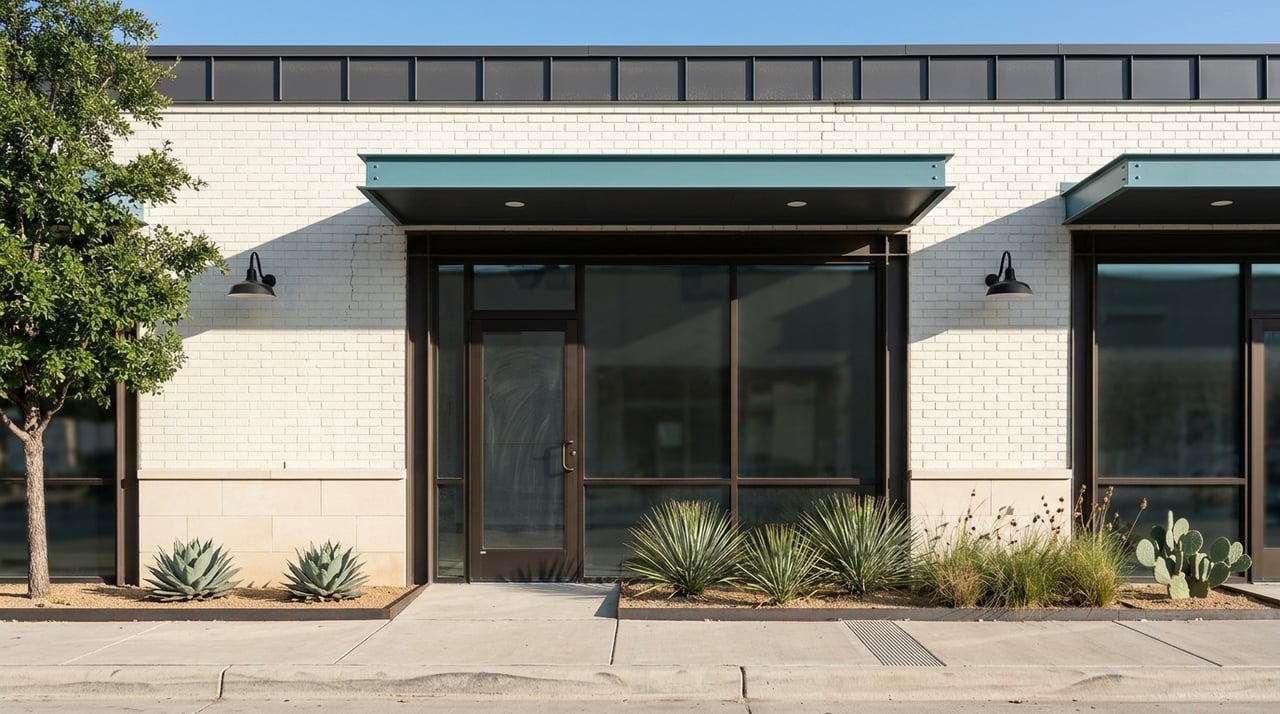
On older retail buildings, signage can do more than identify a tenant. Local guidance and precedent both support signs that fit the building’s proportions and reinforce the block’s identity, whether that means a careful blade sign, a clean wall sign, or a restored neon element that feels true to the corridor.
Prioritize shell and code work first
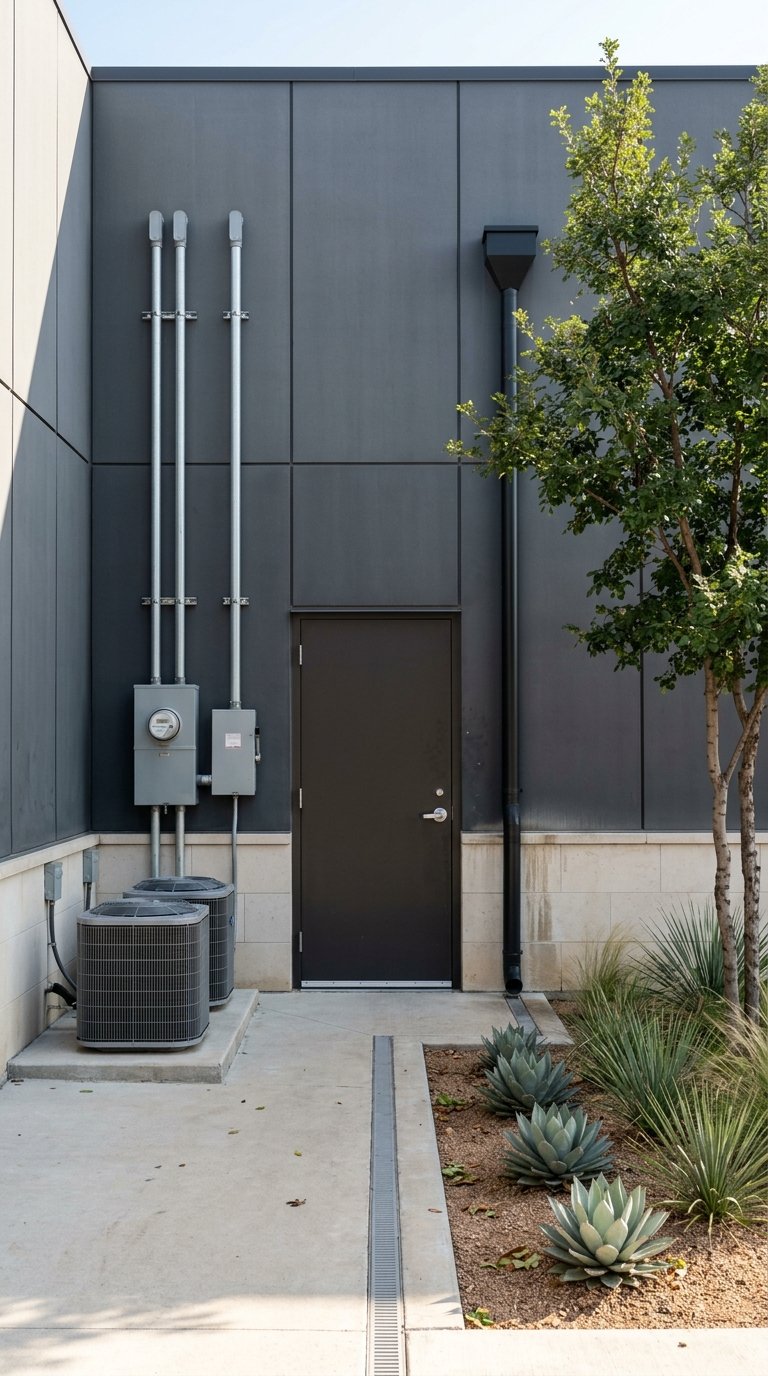
A lot of repositioning plans look simple until the shell tells a different story. Roof issues, envelope repairs, MEP needs, accessibility upgrades, fire and life safety work, and structural conditions often determine whether a project is a light refresh or a meaningful capital plan.
Austin’s commercial review process covers remodels, changes of use, and certificates of occupancy or compliance. In general, most alterations and improvements require permits unless a specific exemption applies, and even exempt work still has to comply with code and city ordinances.
This is why shell planning should come before finish selections and often before the leasing plan is final. If your scope changes structural components or adds or relocates plumbing fixtures, Austin requires an interior remodel permit, which can affect timeline, cost, and delivery strategy.
Match the tenant mix to the building
Not every use belongs in a vintage storefront. Austin’s urban design guidance favors active ground-floor uses, frequent street-facing entrances, and high transparency, which tends to support uses that engage the sidewalk and benefit from visible frontage.
In practice, that often points toward neighborhood-serving and experience-driven concepts such as coffee, food and beverage, personal services, small-format retail, and selected creative uses. These formats typically fit older storefront proportions better than auto-oriented uses or layouts that create blank walls and low street activity.
The market side also supports this approach. Current Austin retail commentary shows stronger interest in experiential formats and constrained, well-located space, which can make a well-executed vintage building feel more competitive than a generic box.
Watch zoning and compatibility rules
A promising retail concept can still hit limits if the site sits near residential areas or within an overlay. Austin’s zoning resources note that specific area regulations and compatibility standards may supplement or replace base zoning in order to preserve neighborhood character and support compatible land use.
That matters when you are increasing activity, changing use, or trying to extend hours and operations on an older property. A repositioning plan that works on paper may need adjustments once compatibility and overlay rules are fully understood.
For that reason, early diligence should include more than base zoning. You want to know what additional standards may shape the site plan, tenant mix, exterior changes, and operating assumptions.
Build your budget in tiers
One of the most useful ways to frame a vintage retail repositioning is to separate the work into budget bands. A national 2025 benchmark from Cushman & Wakefield put in-line retail fit-out costs at about $155 per square foot, which is not an Austin quote but is still a helpful reference point when you are trying to sort light work from major work.
A practical way to think about it in Austin is:
- Tier 1: Cosmetic refresh including paint, minor façade cleanup, lighting, and basic signage updates
- Tier 2: Code and shell package including roof, envelope, MEP, accessibility, life safety, and permit-driven upgrades
- Tier 3: Full repositioning including façade restoration, use changes, deeper site work, and substantial tenant-improvement coordination
This kind of tiering helps you decide when to bring in the full team. If the work touches façade composition, storefront proportions, accessibility, life safety, or use changes, early architect and contractor input can save time and reduce expensive revisions later.
Learn from Austin precedents
Austin offers solid precedent for preservation-first repositioning. At the larger end, Lamar Union shows how a tired retail site can be transformed into a longer-term neighborhood anchor through reinvestment, updated uses, and a more intentional site strategy.
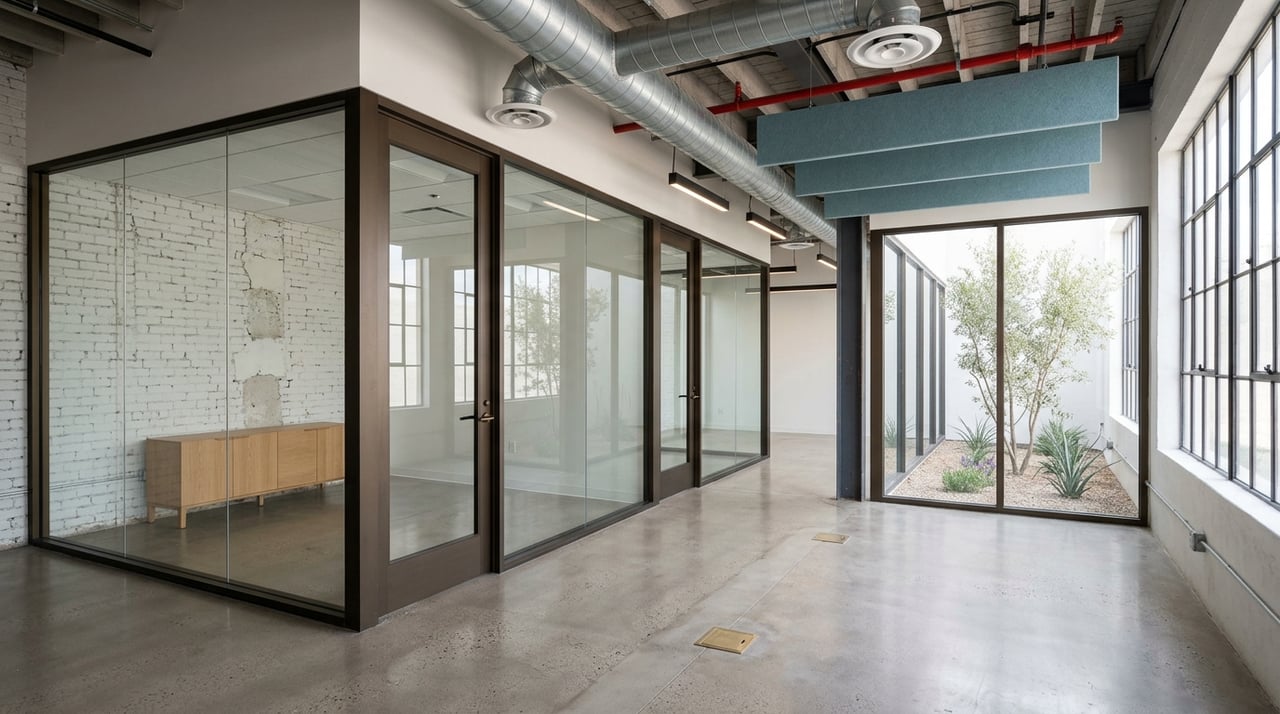
Smaller adaptive-reuse examples around the city point in the same direction. Projects like Radius Butcher & Grocery and Uptown Sports Club preserved shell elements, retained original openings and materials where possible, and created day-to-night destinations without stripping away prior identity.
The takeaway is simple. The most durable projects do not force old buildings to act brand new. They use the building’s existing character as a leasing advantage and pair that character with practical upgrades that make the space viable now.
Explore incentives where they apply
If your property has the right historic status or location, incentives may help narrow the gap between a basic repair and a more thoughtful repositioning. Austin offers tax abatement for contributing properties in historic districts, tied to added value and minimum exterior-work thresholds.
The city also notes grant opportunities for certain historic properties that attract out-of-town tourists. For income-producing historic properties, the 25 percent Texas credit and the 20 percent federal historic rehabilitation tax credit may also be relevant.
These programs are highly specific to status, scope, and location. They should be treated as a diligence item, not as the foundation of the business plan, but they can materially improve feasibility when a project qualifies.
Follow a practical due-diligence order
If you want to reposition a vintage retail building in Austin without wasting time, sequence matters. A smart process reduces redesign, keeps leasing assumptions realistic, and helps you budget the right work first.
A practical order looks like this:
- Verify historic status and identify whether historic review applies
- Review zoning, overlays, and compatibility standards that may affect use and site changes
- Scope façade and signage work together so architecture and identity support each other
- Test shell and code needs before committing to a final tenant plan
- Align tenant mix with the building based on frontage, transparency, access, and operations
- Refine cost tiers and timeline with permit requirements in view
This sequence gives you a clearer path from concept to execution. It also helps you avoid the common mistake of leasing to a use that the building or entitlement path cannot support efficiently.
Why stewardship matters in Austin
In Austin, older retail buildings are not just pieces of inventory. They often hold a corridor’s memory, scale, and visual texture. Repositioning them well means protecting what people already respond to while making the property easier to lease, operate, and maintain.
That is why the best outcomes usually come from a stewardship mindset rather than a quick cosmetic flip. When you combine local permitting awareness, realistic shell planning, and a tenant strategy that fits the block, a vintage retail asset can become more useful, more resilient, and more valuable over time.
If you are considering a repositioning, acquisition, or leasing strategy for a vintage retail building in Austin, Lead Commercial can help you evaluate the property, pressure-test the plan, and shape a path that fits both the building and the neighborhood.
FAQs
What does repositioning a vintage retail building in Austin usually involve?
- It often includes a mix of façade improvements, signage upgrades, shell and code repairs, permitting review, and a tenant strategy that fits the building’s layout and street presence.
Do Austin vintage retail buildings need historic review before exterior work?
- Some do. You should first confirm whether the property is a landmark, in a local historic district, or in a National Register district, because exterior alterations, additions, permanent site work, and signs may require historic review.
Are sign permits required for Austin retail buildings?
- Yes. Austin requires a sign permit for outdoor signage, along with a sign-district determination and specific drawings for wall and awning signs.
How should you budget an Austin retail repositioning project?
- A useful approach is to break the project into tiers: cosmetic refresh, code-and-shell upgrades, and full repositioning, then refine costs based on permit needs, building condition, and tenant requirements.
What tenant types fit vintage retail buildings in Austin best?
- Based on Austin’s design guidance and current demand trends, neighborhood-serving and experience-driven uses such as coffee, food and beverage, personal services, small-format retail, and selected creative uses often fit best.
Are there incentives for historic retail properties in Austin?
- In some cases, yes. Depending on the property’s status and location, Austin historic tax abatements, certain grants, and state and federal historic rehabilitation tax credits may be available.