You do not want to fall in love with an East Austin space just because it looks good in photos. For creative tenants, the right lease is about more than exposed brick, big windows, or a patio with personality. You need to know how the space actually works day to day, what rules apply to the address, and where hidden costs could show up. Let’s dive in.
Why East Austin Needs Better Questions
East Austin is not one single market with one single rulebook. It is a patchwork of neighborhood plan areas, including Central East Austin, East Cesar Chavez, East MLK Combined, East Riverside/Oltorf, Govalle/Johnston Terrace, Holly, and Rosewood, so the details can change from one address to the next.
That matters because two spaces that feel similar on a tour can operate very differently once permits, parking, sound, or tenant improvements come into play. If you are a studio, agency, production team, design firm, or other creative business, the quality of your questions can shape your budget and your long-term fit.
Ask If It Is Truly Adaptive Reuse
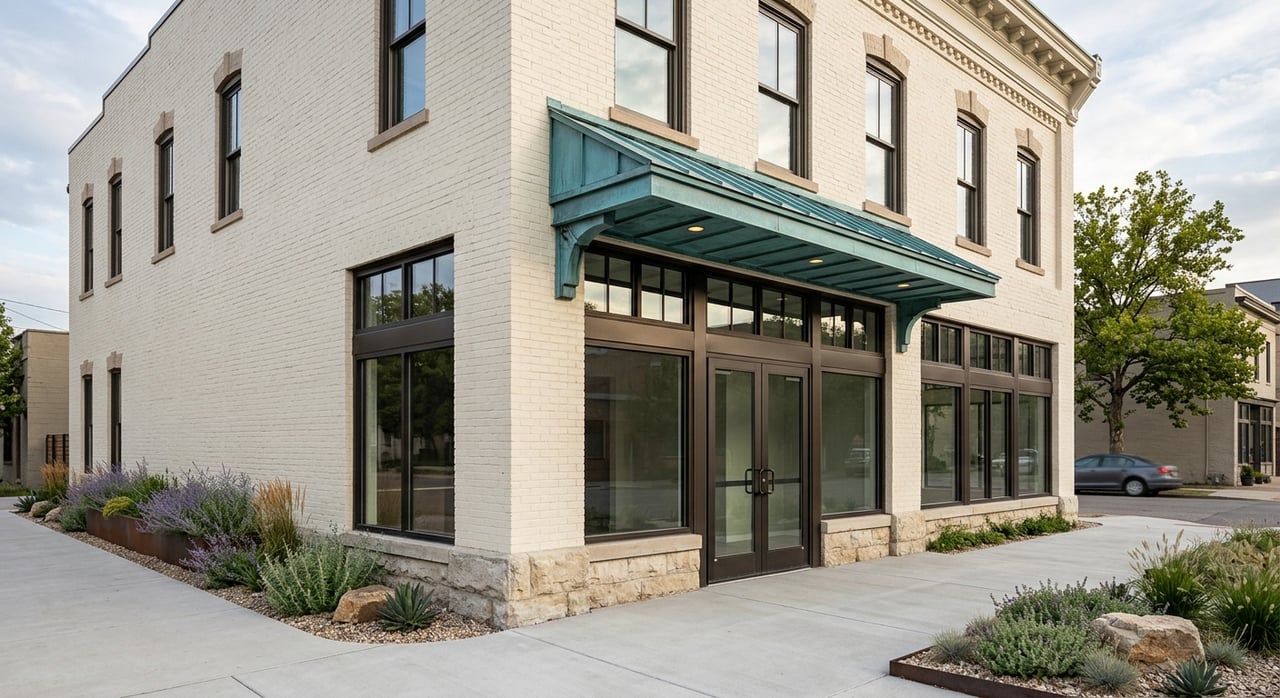
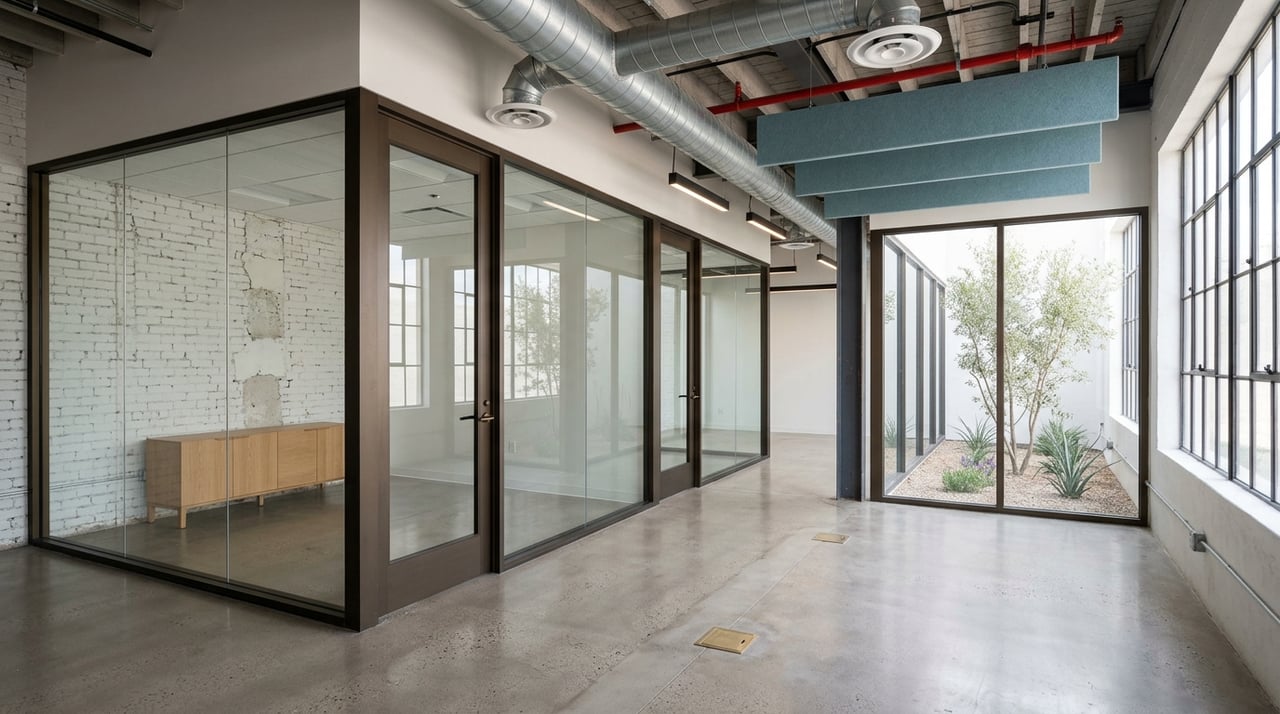
East Austin has a strong pattern of warehouse and industrial buildings being converted into creative office or mixed-use space. You will see features like high ceilings, open floor plates, large warehouse-style windows, patios, skylit corridors, and indoor-outdoor lobby areas across the market.
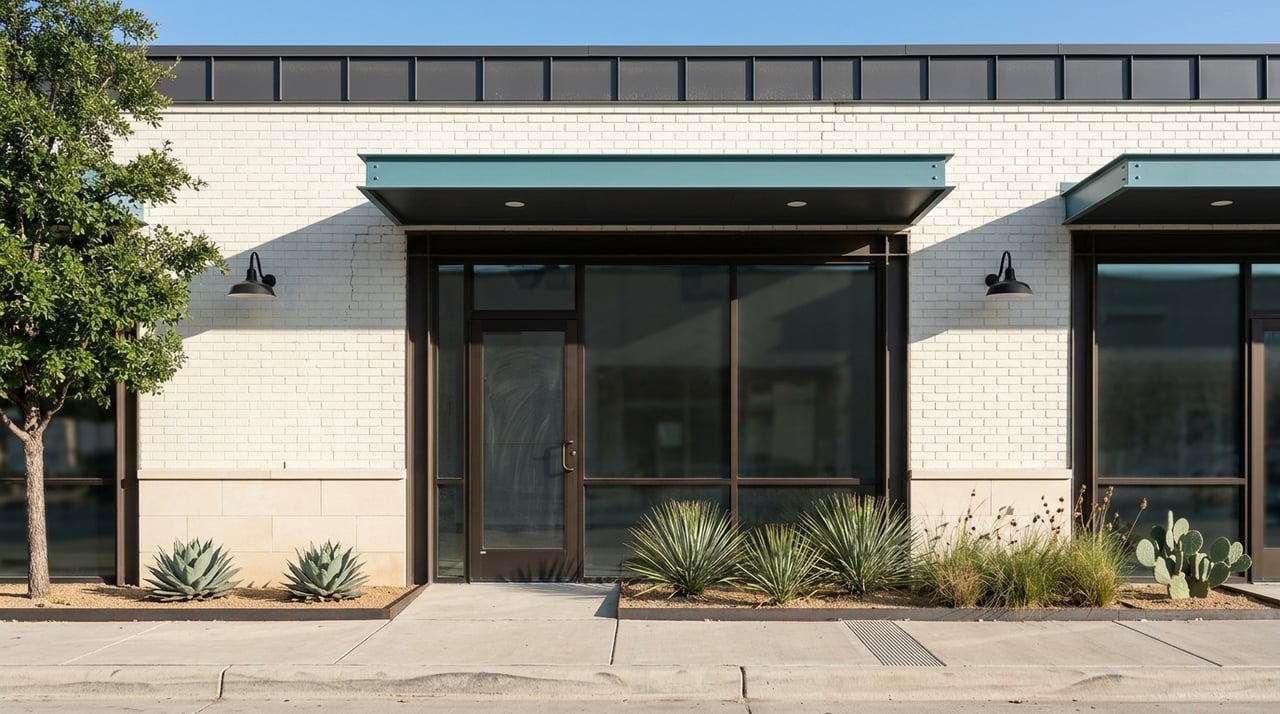
But not every space with creative styling is true adaptive reuse. Some are newer buildings designed to look the part. That difference can affect your layout flexibility, building systems, maintenance expectations, and the amount of work needed before move-in.
Questions to ask about the building story
- Was this building originally industrial, warehouse, retail, or office space?
- Is this a true adaptive-reuse project or a newer build with creative design features?
- What upgrades were completed as part of the conversion?
- Are there any parts of the building that still function like an older shell?
In Central East Austin, the East 11th and 12th Streets redevelopment plan has emphasized rehabilitation of existing neighborhood commercial facilities, community-based business opportunities, and practical factors like access, visibility, and parking. That makes it especially important to look past aesthetics and understand how a space supports your actual operation.
Check Which Local Rules Apply
In Austin, development is shaped by the Land Development Code, site-specific and area-specific zoning, building and technical codes, and technical criteria manuals. On top of that, the city notes that specific regulations can replace zoning in some areas, including neighborhood plans, neighborhood conservation combining districts, conditional overlays, planned unit developments, and residential design and compatibility rules.
In plain English, the address matters. A lot. If you are comparing spaces across East Austin, you should assume each one may come with its own legal and operational context until proven otherwise.
Questions to ask about the address
- Which neighborhood plan applies to this property?
- Are there any overlays, conditional rules, or special area regulations tied to this site?
- Do any regulations replace standard zoning here?
- Are there limits on exterior changes, signage, hours, or use?
Austin Development Services provides property search, permit search, code interpretations, and guidance on area regulations. That makes address-level diligence one of the smartest early steps before you spend money on design, test fits, or lease negotiations.
Verify Building Systems Before You Budget
Older East Austin buildings can offer character that newer projects cannot easily copy. They can also come with practical tradeoffs. Before you commit to a lease, verify the systems that will directly affect comfort, operations, and tenant improvement costs.
Austin’s technical code framework includes the International Building Code, National Electric Code, Uniform Mechanical Code, Uniform Plumbing Code, International Fire Code, and related standards. For you, the takeaway is simple: do not assume an older shell has been fully modernized just because the lobby looks polished.
Questions to ask about systems and infrastructure
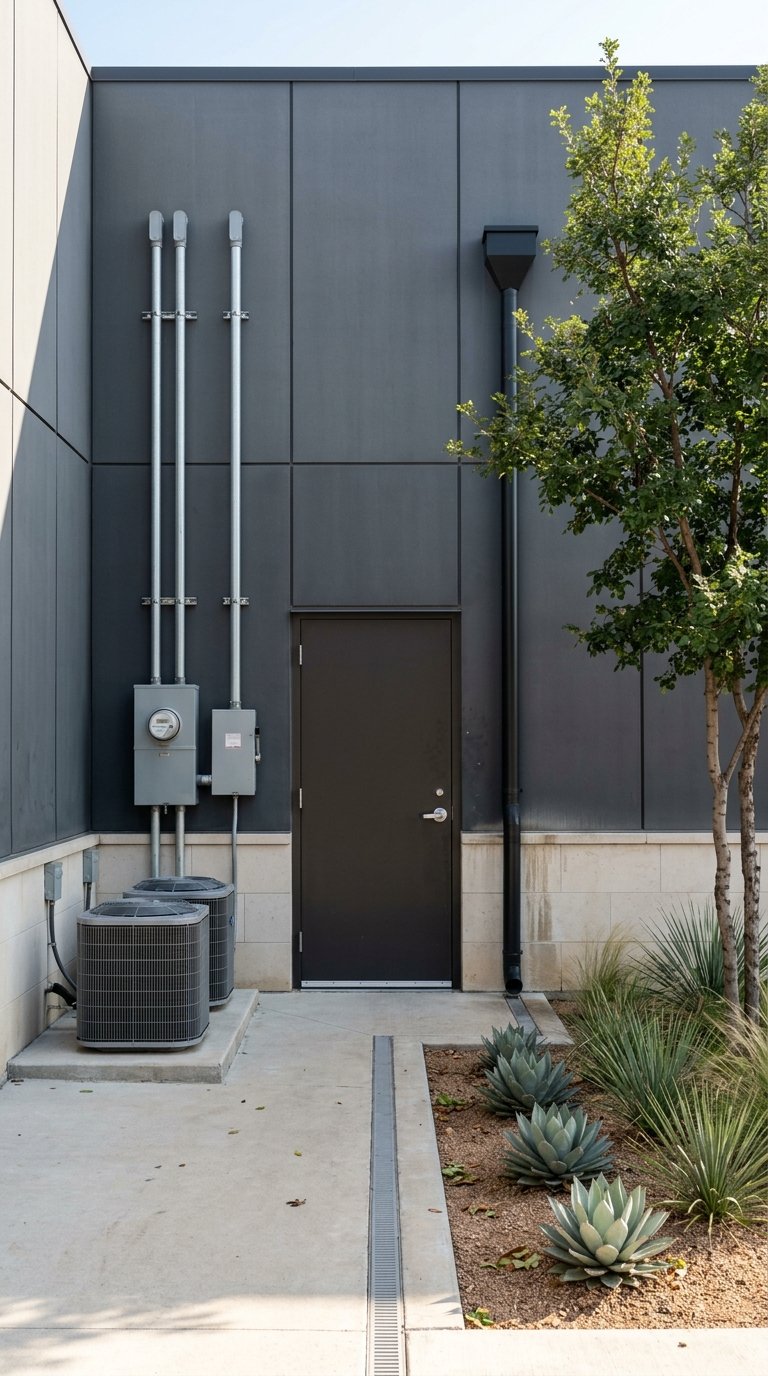
- When were the HVAC, electrical, plumbing, and sprinkler systems last replaced?
- Is the current electrical service enough for your team, equipment, and future growth?
- Does the space have the internet capacity your business needs?
- What is the condition of the roof and insulation?
- Are there any deferred maintenance items the landlord is tracking?
These questions are especially important if your team relies on production equipment, editing suites, heavy computer use, special lighting, or long occupancy hours. A beautiful shell can turn expensive fast if the infrastructure does not match the way you work.
Understand Tenant Improvements Early
Creative tenants often need more than fresh paint and furniture. You may want conference rooms, acoustic treatments, production areas, custom millwork, kitchen upgrades, additional plumbing, or stronger power distribution. The key is finding out what is already permitted and what will trigger a new review.
In East Austin, permit and area-specific issues can shape both timeline and budget. If you wait until after lease signing to sort out approvals, you may lose valuable time and negotiating leverage.
Questions to ask before planning your build-out
- What tenant improvements are already permitted in the suite?
- What planned improvements would require new permits?
- Who handles permitting and construction coordination?
- Which repairs or upgrades are the landlord’s responsibility and which are yours?
- Is there a realistic timeline for approvals and construction before occupancy?
If the property falls inside or near the East Austin Historic Survey area, ask another layer of questions. The survey covers buildings built in or before 1970 within a defined east-side area. The survey itself does not create historic designation, but it can support landmark or historic district nominations, so age and review process still matter when you budget exterior changes or improvements.
Treat Patios and Rooftops Like Operations
In East Austin, patios, courtyards, and rooftops are easy to romanticize. For creative tenants, they can be valuable for team gatherings, client events, launches, and brand identity. They can also create compliance and neighbor-impact issues if you treat them like a bonus without checking the rules.
Austin requires a permit for commercial and non-residential establishments that use sound equipment outdoors in any area not fully enclosed by four solid walls and a roof. The city’s program separates recurring outdoor music venues from one-time temporary sound use, and special events with more than 50 people may require a special event permit.
Questions to ask about sound and events
- Are patios, courtyards, or rooftops included in the lease?
- Has the landlord already secured any outdoor sound or music permits?
- Are there rules for after-hours access, amplified music, or event programming?
- How close are nearby homes or residential uses?
- Who is responsible for permits, notices, and any sound-related operating plan?
This is one of the biggest gaps between a good-looking tour and a workable lease. If your business model includes events, launches, outdoor meetings, or occasional programming, make sure the lease reflects that reality.
Get Specific About Parking and Loading
Parking in East Austin is not just about counting spaces on a flyer. You need to know where your team parks, where visitors park, how ride-share works, and whether vendors or deliveries can access the site without constant friction.
Austin’s Parking Enterprise manages on-street parking, meters, valet enforcement, residential permit parking, and some special zones, but it does not manage private off-street lots or garages. The city also notes that several East Austin streets between I-35 and Chicon are metered Monday through Saturday from 8 a.m. to midnight.
Questions to ask about daily access
- How many dedicated spaces come with the suite?
- Are those spaces reserved or shared?
- Where do clients, staff, and ride-share drivers realistically park?
- How do meter hours affect your workday, meetings, or evening events?
- Are there nearby restrictions that could create routine headaches?
If your business handles equipment, samples, staging, catering, or production materials, loading matters just as much as parking. Austin’s Commercial Vehicle Loading permit allows loading and unloading citywide under set restrictions, but the city says Cesar Chavez Street, Congress Avenue, and Lamar Boulevard are prohibited for loading and unloading at all times.
Questions to ask about loading
- Is there a legal and convenient place for box trucks or delivery vehicles to stage?
- Can movers or vendors access the building without blocking traffic?
- Is loading handled on-site, curbside, or through an alley?
- Will your operation need a loading permit?
Review Older Buildings With Extra Care
East Austin has many older commercial buildings, and that is part of what gives the area its identity. It also means age should trigger better diligence, not just more excitement. Older inventory can bring charm and flexibility, but it can also bring unknowns around systems, code compliance, and improvement scope.
The East Austin Historic Survey area is bounded by I-35 on the west, Manor Road on the north, Pleasant Valley Road and the MetroRail line on the east, and Lady Bird Lake on the south. If a property is in or near that area, confirm whether historic review, design review, or other special processes may affect signage, exterior changes, or your improvement plans.
Questions to ask about older inventory
- When was the building constructed?
- Is the property within or near the East Austin Historic Survey area?
- Could historic or design review affect your plans?
- Were previous renovations fully permitted?
- What documentation is available for past upgrades?
Ask About Incentives and Budget Relief
If you are a small business, nonprofit, cooperative, legacy business, or part of the creative sector, local incentive programs may be worth discussing early. Austin’s Place-Based Enhancement Program is designed to support commercial affordability relief and includes a cultural-preservation category that supports creative spaces and legacy businesses in eligible cases.
That does not mean every tenant or every project will qualify. It does mean you should ask whether there are local programs, timing issues, or project conditions that could reduce pressure on rent, tenant improvement costs, or occupancy planning.
Questions to ask about incentives
- Are there local affordability or cultural-preservation programs relevant to this project?
- Could the property or tenant profile align with the Place-Based Enhancement Program?
- Should incentive timing affect lease negotiations or build-out planning?
- Are there budget strategies that protect both your brand and your long-term occupancy costs?
A Smarter Way to Tour East Austin Space
If you are touring creative space in East Austin, do not just ask whether the floor plan feels inspiring. Ask whether the address, systems, outdoor areas, parking setup, and permit path truly support the way your business operates.
That is how you protect your budget, your timeline, and your brand. In a market shaped by neighborhood plans, older building stock, adaptive reuse, and block-by-block differences, better questions lead to better decisions.
If you want help evaluating East Austin creative space with a practical, neighborhood-first lens, Lead Commercial can help you think through location fit, lease strategy, permitting, and project planning.
FAQs
What should creative tenants ask before leasing in East Austin?
- Ask about the building type, neighborhood plan, special regulations, building systems, parking, loading, outdoor use, and which tenant improvements will require permits.
How can you tell if an East Austin space is true adaptive reuse?
- Ask about the building’s original use, what upgrades were completed during conversion, and whether key systems and layouts were modernized or simply styled to look creative.
Do East Austin patios and rooftops need extra review for events?
- Yes. Commercial outdoor amplified sound use may require permits, and special events with more than 50 people may require additional city approval.
Why does parking matter so much for East Austin creative tenants?
- Parking affects staff routines, client visits, vendor access, ride-share flow, and event operations, especially on streets with meters or nearby permit restrictions.
Do older East Austin buildings come with more lease risk?
- They can. Older properties may need closer review of HVAC, electrical, plumbing, sprinklers, roof condition, prior permits, and any historic or design-related process that could affect improvements.
Can local programs help reduce occupancy costs for East Austin tenants?
- In some cases, yes. Austin’s Place-Based Enhancement Program includes commercial affordability relief and a cultural-preservation category that may be relevant for eligible creative-sector users and related projects.