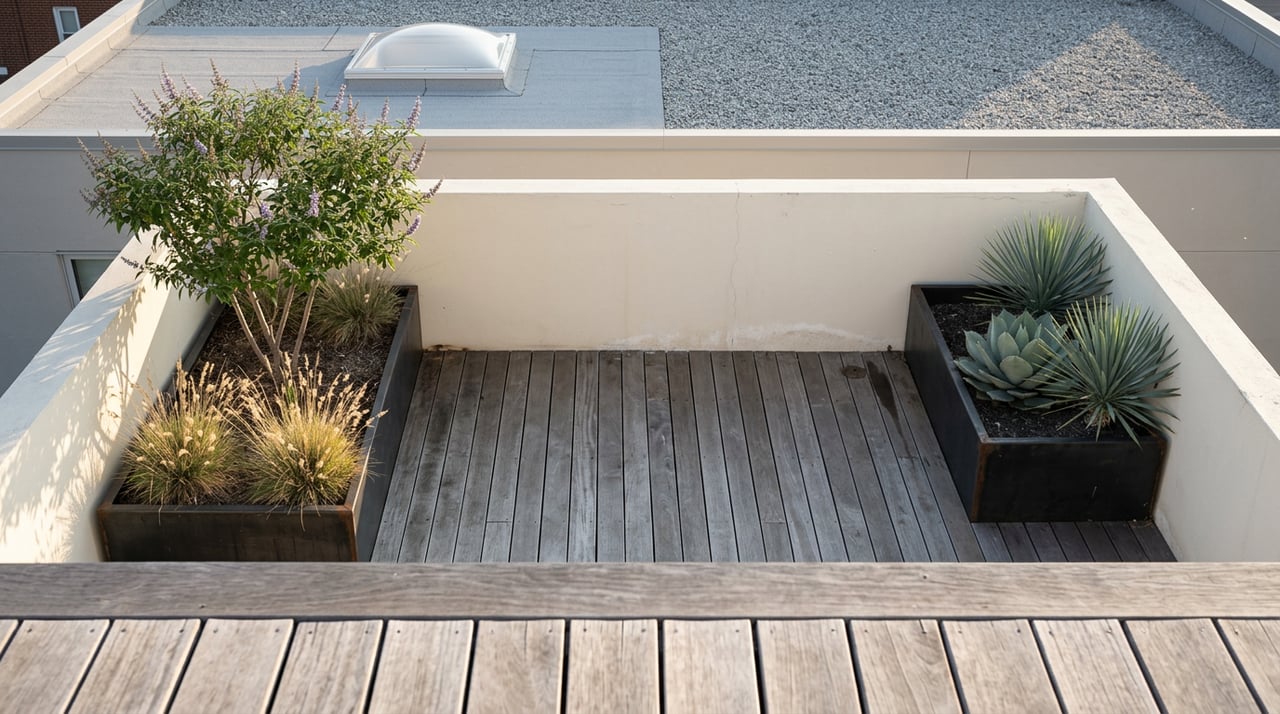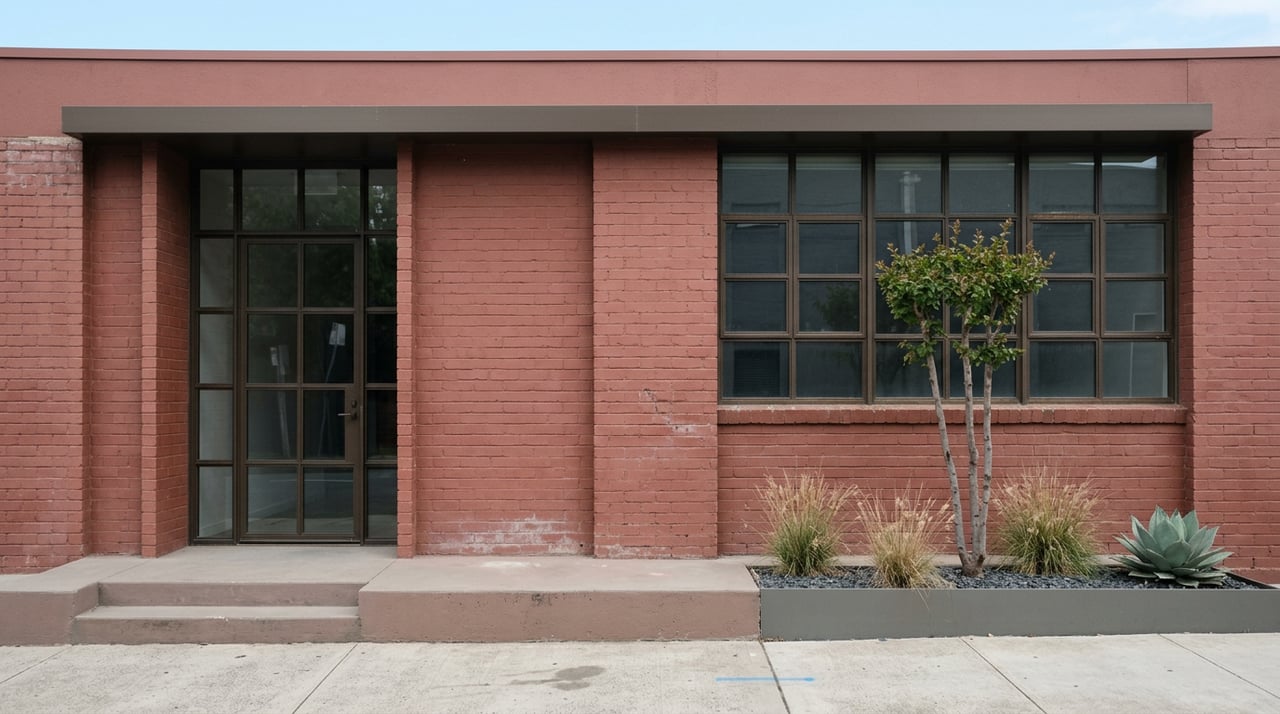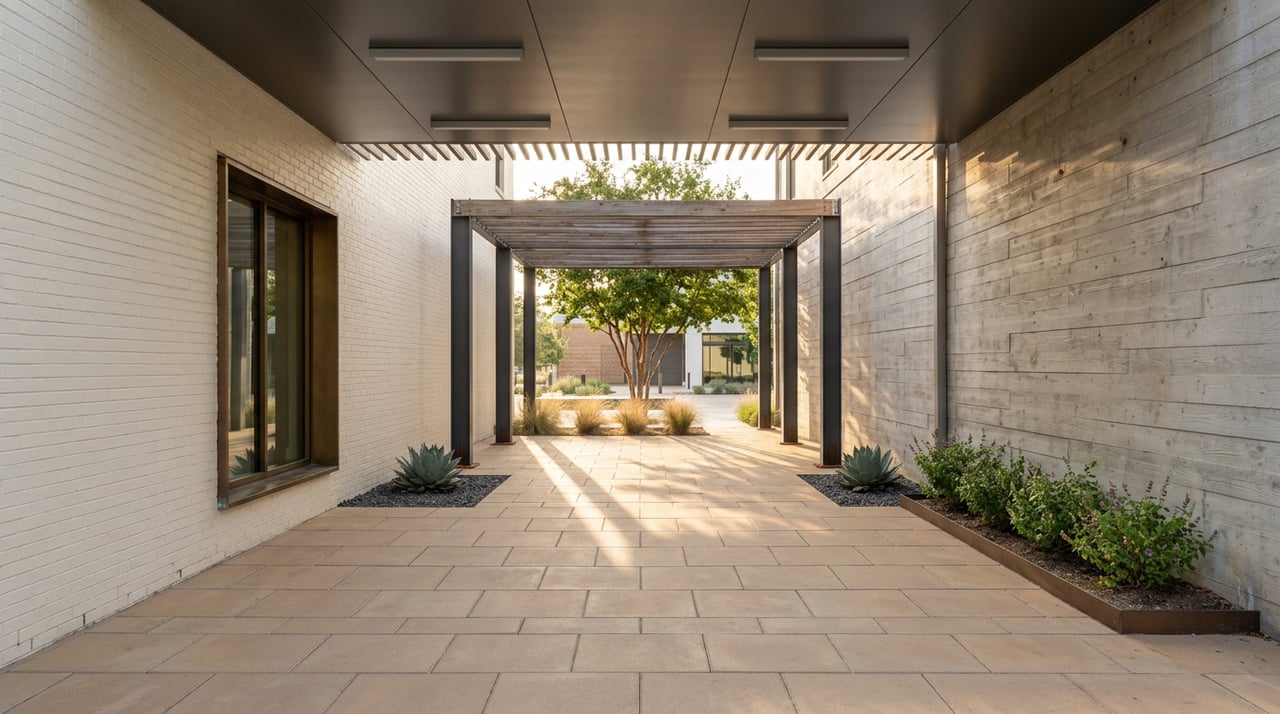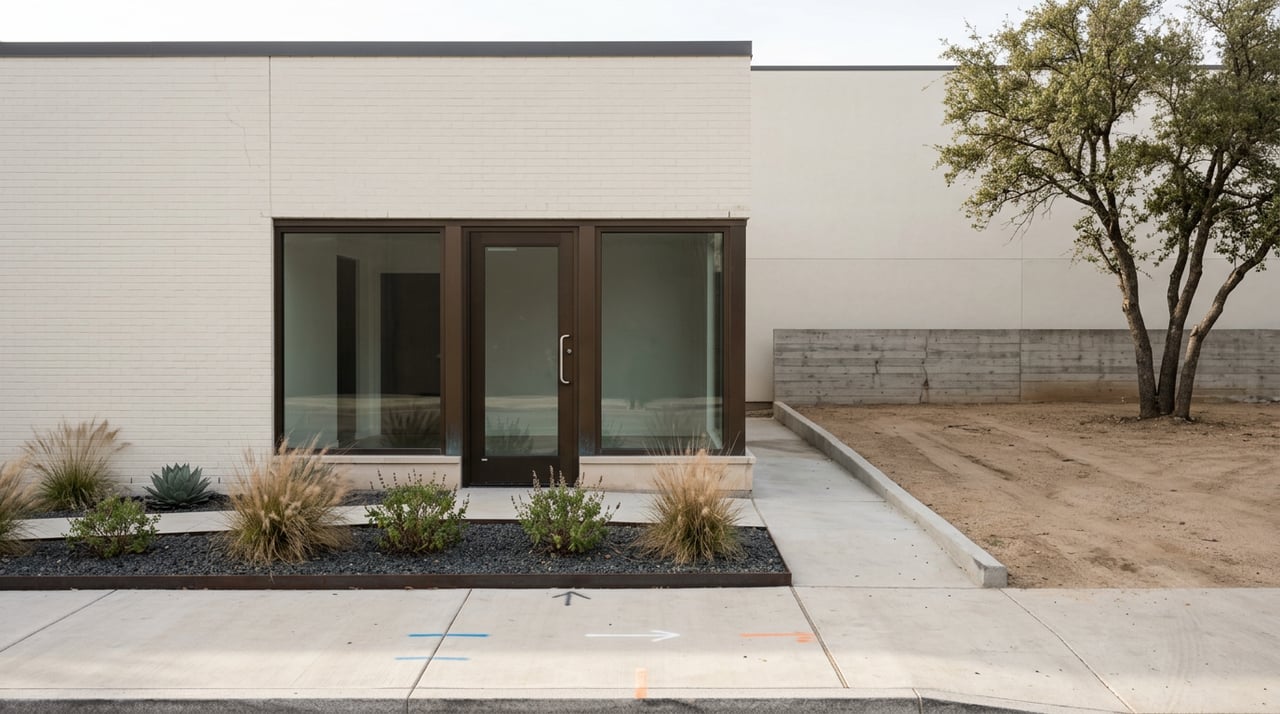
A restaurateur walks a 2,800-square-foot end-cap on East Riverside Drive in the spring of 2026. The rent looks soft against downtown, the landlord is offering some tenant improvement money, and the corridor has more signage than storefronts. The instinct is to sign a five-year deal and take the discount. That instinct is what the block is priced on, and it is the wrong instinct to trust in isolation.
East Riverside is not one leasing market in 2026. It is the intersection of three separate timelines, each moving at a different speed, each capable of rewriting the ground under a specific address. The corridor's asking rent reflects an average of those timelines. Your lease will not.
The three clocks running under the same pavement
The federal clock: Blue Line light rail. The Federal Transit Administration issued a Record of Decision on Austin Light Rail on January 16, 2026, formally closing the environmental review and authorizing the Austin Transit Partnership to begin utility relocation, property acquisition through eminent domain, and design-build procurement along the 9.8-mile starter alignment, which runs east along Riverside Drive from downtown. On February 18, ATP awarded a $60 million design-build contract to Austin Rail Constructors, a joint venture of Stacy Witbeck and Sundt. ATP is targeting groundbreaking in 2027, with revenue service estimated to start in 2033. In the interim, planners moved a station near the eastern end of Riverside Drive to eliminate the need to seize up to three homes in Montopolis, a reminder that the alignment on paper is not the alignment your block will live with.
The city clock: East Riverside Corridor Regulating Plan update. The City of Austin is rewriting the ERC Vision Plan and Regulating Plan through the East Riverside Corridor Planning Initiative. The in-person open house at 2400 Grove Boulevard was rescheduled by weather to January 31, 2026, with focus groups at Ruiz Public Library on Grove Boulevard feeding the same process. Regulating-plan updates change what a parcel can hold, at what height, with what ground-floor requirements. On a corridor being simultaneously reshaped by rail investment, that document is the one that will set your landlord's exit options for the next decade.
The private clock: assemblage and redevelopment. The 100-plus-acre River Park plan sits behind a demolition permit filed for the roughly 15-acre Tempo at Riverside apartment complex at 4700 East Riverside Drive, vacant since Winter Storm Uri in 2021. Further east, the roughly 22-acre East Riverside Gateway assemblage plans more than 2 million square feet of residential, office, and retail at the future Metro Center rail station near Riverside and Ben White. Neither timeline is a rumor, and neither is under your landlord's control.
Why the block matters more than the corridor
Corridor-level rent is an average of blocks that will experience different construction, different regulatory outcomes, and different neighbor buildings over the same lease term. A block near the future Metro Center station is priced against a redevelopment that has been on the drawing board since 2022. A block adjacent to the Tempo site is priced against demolition risk that is now permitted, not hypothetical. A block in the middle of the utility-relocation window is priced against 18 months of trenching, lane shifts, and staging.
The mechanism worth naming: landlords absorb long-horizon corridor upside into today's ask, while tenants absorb the near-term construction downside through disruption they were never quoted. That is the trade the asking rent conceals.
Where the money actually lands: TI, not base rent
Base rent is the number both sides negotiate first and worry about least. Tenant improvement dollars are where an East Riverside deal is won or lost in 2026, because the corridor's disruption window sits inside the amortization window on a five-year term.
| Use | 2026 broker-cited TI range | What it usually buys |
|---|---|---|
| Office | $10 to $100 per SF | Walls, doors, flooring, HVAC distribution, lighting |
| Retail second-generation | $10 to $250 per SF | Storefront, finishes, plumbing rework |
| Restaurant | $100+ per SF | Grease, hood, gas, floor sinks, MEP capacity |
TI is a reimbursement mechanic in almost every Austin deal. The tenant pays contractors first and submits a draw package with paid invoices, lien waivers, and completion proof; landlords typically fund within 30 to 60 days of a clean draw. On the ERC corridor, that timing collides with utility interruptions and permit slowdowns that neither party controls. A landlord willing to fund $80 per SF in a stable submarket may only commit $45 per SF here, with a longer use-by deadline and tighter eligible-cost language, because the block's near-term risk is higher than the corridor average suggests.
The Aquila data on Austin office TI shows renewals and subleases have historically received meaningfully less TI than new leases and expansions, and the gap has widened over the last decade with rising construction costs. On East Riverside, expect that gap to widen further for any deal shorter than seven years.
Reading an East Riverside term sheet against the three clocks
The following sequence is how a founder-led team should read a 2026 term sheet on this corridor. Nothing here replaces counsel; it is the diligence pattern.
- Pull the block's rail proximity. Overlay the address against the ATP alignment and the utility-relocation schedule now being staged under the January 16 Record of Decision. A block inside the first utility window needs a rent-abatement clause tied to street closures and access loss, not just a soft rent number.
- Pull the block's zoning under the current ERC regulating plan and the draft update. If the parcel picks up height or ground-floor entitlement in the update, the landlord's demolition option gets more valuable and your lease is a placeholder, not a home. That belongs in a demolition or relocation clause with real notice, real unamortized-TI recovery, and real relocation contribution.
- Pull neighbor ownership within a three-parcel radius. Assembled ownership is the leading indicator that redevelopment is closer than the corridor thinks. The River Park and East Riverside Gateway footprints did not appear overnight.
- Model TI as a reimbursement, not a check. If the deal only pencils when the landlord funds TI on day one, the deal does not pencil. Amortized TI rolled into rent is a financing tool worth pricing against your alternative cost of capital.
- Underwrite total occupancy cost across the term, not headline rent. Free rent, turn-key delivery, amortized TI, and base rate are interchangeable levers on the landlord's side of the ledger. They should be interchangeable on yours.
The construction-window terms that actually matter
Language that reads boilerplate in a stable submarket reads decisive here.
- Utility interruption and access. A ground-floor restaurant is a utility-dependent tenant. Water, gas, and power interruptions during ATP's relocation work belong in the lease as defined disruption events with pro-rated rent relief.
- Co-tenancy and dark-neighbor triggers. If the block loses its anchor draw to demolition or extended construction, a mid-term rent adjustment or termination right protects the tenant.
- Demolition and relocation notice. On a corridor with active assemblage, 12-month notice is short. Eighteen to 24 months, paired with an unamortized-TI buyback formula, is defensible.
- Signage and street frontage. Storefront visibility will change as sidewalks, bike lanes, and rail infrastructure move. Signage rights should reference the finished streetscape, not the current one.
- Assignment and sublease. If your operating plan changes because the corridor's timeline changes, you need the ability to reassign without a landlord veto that is broader than credit review.
What this means for a small investor buying into the corridor
The same three clocks that shape a tenant's downside shape an investor's underwriting. Buying an income-producing building on East Riverside in 2026 is buying a rent roll priced against a corridor mid-way through a rezoning, mid-way through a rail alignment, and mid-way through private assemblage. The right question is not what the current NOI supports. It is which of the three clocks your exit assumption depends on, and whether your hold period covers all three or only the ones that trend your way.
For an owner-operator with a five to seven year hold, the ERC regulating-plan update is the most consequential document in the file. For a longer hold, ATP's construction and revenue-service dates begin to dominate. For any hold, the neighbor ownership map is the leading indicator neither timeline publishes.
FAQ
Is the light rail actually being built, or is this another Austin project that stalls? The Record of Decision issued on January 16, 2026, is the formal environmental green light and the trigger for utility relocation and eminent domain. ATP has awarded its first major design-build contract and is targeting a 2027 groundbreaking with service in 2033. Federal funding for roughly half the total cost is not yet finalized, and ATP officials do not expect that decision until late 2027 or early 2028. Plan your lease around the near-term construction reality, which is happening, and treat the opening date as a separate underwriting variable.
Does the ERC regulating plan update affect leases already signed? It does not rewrite existing lease terms. It changes what the landlord can do with the parcel at expiration, and it changes the value of the demolition and redevelopment options embedded in your lease. That is why demolition and relocation language belongs in the current draft, not the renewal.
Should a first-time operator sign here in 2026? The corridor rewards operators who read the block, not the average. A five-year deal on the wrong block during the wrong construction window can consume the operator's runway. A seven to ten year deal on the right block, with clean utility-interruption and TI-reimbursement language, can lock in pre-rail rent through the opening of a station.
East Riverside will not lease itself the way downtown does, and it will not lease itself the way the East Sixth blocks do. It rewards operators and owners who read three timelines against a single address before they read a rent number. Lead Commercial works those timelines block by block on the corridors we know. If you are weighing a space on East Riverside, or an asset that fronts the alignment, let's talk about your property.