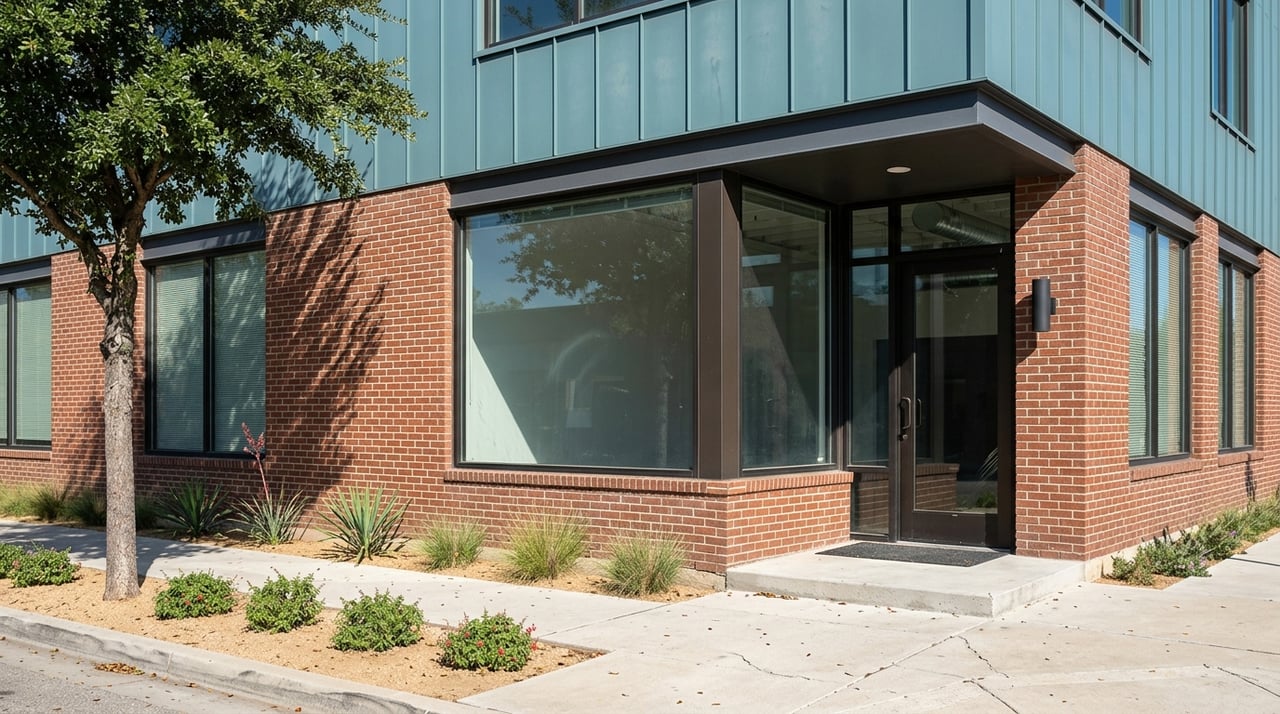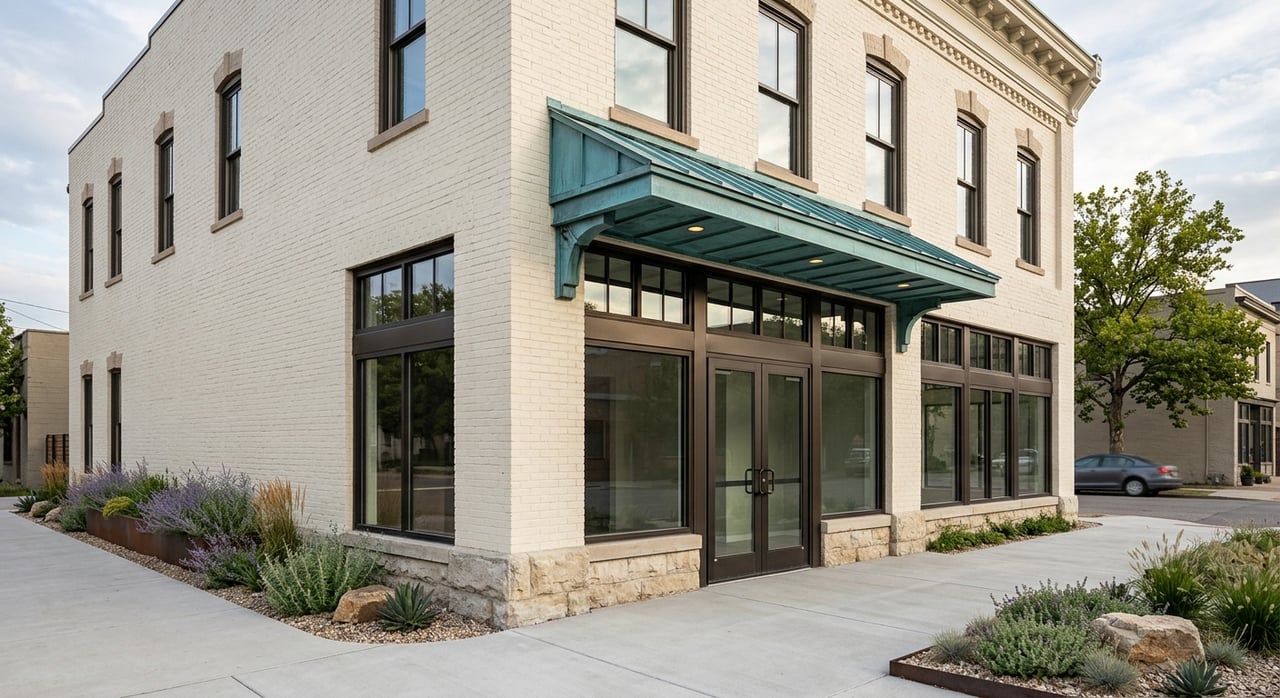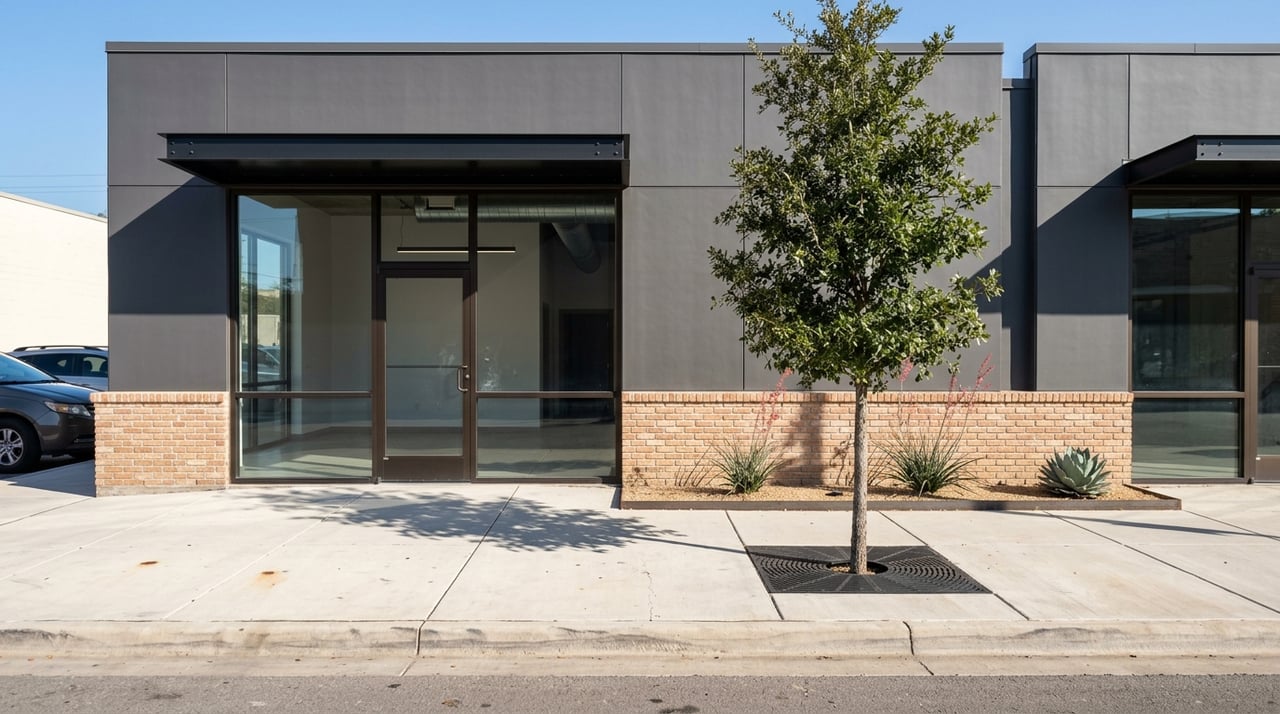
If you are looking at retail space in Austin’s core, one truth matters fast: the right corridor can do as much work for your business as the right lease. Austin’s inner-city retail market is not one uniform map, and what works downtown may fall flat in Mueller or on Burnet Road. If you want to understand how corridor shape, foot traffic, anchors, and building form affect retail success, this guide will help you read the city more clearly. Let’s dive in.
Why corridors matter in Austin
Austin’s inner-city corridors reward retail when three things line up: people flow, nearby anchors, and building form. City planning across downtown and key corridors emphasizes multimodal access, walkability, and active ground-floor uses, which means the street itself often plays a major role in how a business performs.
That matters because retail success in Austin is rarely just about being in a popular ZIP code. It is about whether your space can meet the daily rhythm of the corridor around it, from lunch traffic and commuters to neighborhood regulars and destination visitors.
Downtown draws the widest mix
Downtown Austin stands out as the strongest high-volume pedestrian environment in this group. According to the Downtown Austin Alliance, Q1 2026 daily average pedestrian totals reached 158,265, including out-of-market visitors, inbound commuters, and resident pedestrians.
That mix creates a broad base of demand throughout the day and into the evening. The Downtown Austin Plan and Great Streets framework support a dense, livable, mixed-use center with active ground-floor uses and pedestrian-oriented streets, including the Second Street Retail District.
What that means for retail users
In practical terms, downtown tends to support concepts that benefit from visibility and steady pedestrian exposure. Restaurants, bars, coffee shops, and other uses tied to lunch, happy hour, events, and late-night traffic often fit this environment well.
This is also a corridor where storefront design matters more than large private parking fields. If your concept depends on street presence, walk-up convenience, and strong day-to-night activity, downtown offers one of Austin’s clearest retail settings.
East Austin works on two different logics
East Austin should not be treated as one single retail story. The area includes corridors with different identities, customer patterns, and development forms, which means your placement strategy needs to be more specific.
The East Sixth Street PID runs from Congress Avenue to I-35, and city leaders have described East Sixth as a place intended to be vibrant at all hours and safer for pedestrians. East 12th Street functions differently, with a long-established business corridor that includes religious institutions, retail shops, convenience stores, beauty parlors, barbershops, restaurants, bars, and eateries.
East Sixth favors energy and visibility
East Sixth benefits from a more active, destination-driven pattern. For retail and food-and-beverage users, that usually means stronger alignment with concepts that rely on visibility, foot traffic, and an all-day or late-hour presence.
Because the corridor is shaped by pedestrian activity and urban street conditions, smaller spaces with direct street engagement can have an advantage. The setting tends to reward businesses that feel natural to the block rather than disconnected from it.
East 12th rewards neighborhood fit
East 12th has a different feel and a different logic. City planning materials for Central East Austin continue to support mixed-use development, with office, retail, and residential uses combined in ways that reinforce neighborhood-serving activity.
For many operators, that points toward smaller-footprint retail and restaurant concepts that work well in older buildings or low-rise mixed-use projects. In East Austin, cultural fit, scale, and building character often matter just as much as raw visibility.
South Lamar blends car and foot traffic
South Lamar remains a corridor where the street design and the legacy building stock both shape retail performance. City materials describe the corridor as having developed as an auto-centric commercial strip, but they also note growing density, public transportation access, sidewalks, and bike lanes.
At the same time, South Lamar still faces barriers such as weak crossings, higher vehicle speeds, and poor east-side connectivity in some areas. Current design direction includes separate bike lanes and sidewalks where feasible, with shared-use paths in tighter sections.
Why South Lamar still performs
South Lamar works well for businesses that can capture both drive-by traffic and repeat local visits. That makes it a practical fit for restaurants and neighborhood retail, especially near major anchors like Zilker Metropolitan Park, Barton Springs Pool, and the broader Barton Springs and trail system.
Its physical form also matters. Much of the corridor still includes one-story strip buildings and parking-oriented access, while apartment and mixed-use infill are adding more customers over time. In other words, South Lamar is being reshaped, not replaced.
Burnet Road has two retail models
Burnet Road is one of central Austin’s clearest transitional corridors. The city’s Burnet Road Mobility Program focuses on safety, mobility, and accessibility, while planning documents describe much of the corridor as auto-oriented retail with one-story strip buildings, shopping centers, and separate parking lots.
At the same time, Burnet is also recognized at the neighborhood level as one of Austin’s Main Streets, providing nearby residents with services, retail, and entertainment. That dual identity is a big reason Burnet supports a wide range of users.
The central stretch vs. the north end
In the central stretch, Burnet still operates like a legacy strip retail corridor. Long-standing local businesses such as The Light Bulb Shop, The Frisco, and Top Notch Hamburgers point to a customer base that values familiarity, convenience, and staying power.
Farther north, North Burnet/Gateway planning pushes toward denser, mixed-use, transit-friendly redevelopment. That means Burnet is not one clean category. It is a corridor where traditional auto-access retail and urbanizing mixed-use patterns overlap.
Mueller is built for planned daily demand
Mueller offers one of Austin’s most deliberately planned neighborhood retail environments. The master plan calls for a compact, pedestrian-oriented mixed-use community, and current materials state that Mueller is planned to include at least 6,900 homes, about 4.8 million square feet of commercial space, and 737,000 square feet of retail.
The district also includes major anchors such as Dell Children’s Medical Center, The Thinkery, H-E-B, Austin Film Studios, and the Austin ISD Performing Arts Center. Aldrich Street is framed as a mixed-use town-center district with local businesses, parks, community gardens, and shop homes, while many apartment buildings include ground-floor retail.
Why Mueller feels different
Mueller’s retail rhythm is more resident-led than downtown’s. It is also shaped by destination activity tied to families, parks, and community amenities rather than commuter volume alone.
Park materials note that 20 percent of Mueller is dedicated to parkland and open space, with every resident within 600 feet of a greenspace. That helps explain why cafés, wellness concepts, family dining, and convenience retail often align with the district’s everyday demand.
How to match concept to corridor
If you step back, Austin’s inner-city corridors suggest a simple placement framework. The best retail decision is usually the one that matches your concept to the corridor’s actual customer flow and physical form, not just its reputation.
Here is the practical read:
- Downtown and East Sixth tend to favor concepts that need high pedestrian intensity and a broad mix of visitors.
- East 12th and parts of East Austin often reward smaller, neighborhood-scaled concepts with strong local fit.
- South Lamar and Burnet Road can work well for businesses that benefit from both auto access and repeat local traffic.
- Mueller is often best for concepts that want steady resident demand in a master-planned mixed-use setting.
What this means for tenants and owners
If you are a tenant, the lesson is clear: do not choose a corridor based on buzz alone. You want a location where your format, hours, parking needs, frontage, and customer profile match how the street already works.
If you are an owner or investor, corridor knowledge helps you position a property more intelligently. Leasing, marketing, and project planning all get stronger when you understand whether a site is driven by commuters, residents, destination traffic, or a combination of all three.
Why local corridor knowledge matters
Austin’s core neighborhoods are shaped by more than traffic counts or zoning labels. They are shaped by block patterns, legacy buildings, planned mobility upgrades, anchor institutions, and the habits of people who use the area every day.
That is why inner-city retail strategy works best when it is local, corridor-specific, and grounded in how a place actually functions. In Austin, retail success is rarely random. It is usually the result of matching the right business to the right street, at the right scale, in the right setting.
If you are thinking about where your retail concept fits, or how to position an inner-Austin property for long-term success, Lead Commercial can help you evaluate the corridor, the block, and the real-world fit behind the deal.
FAQs
What makes downtown Austin strong for retail?
- Downtown Austin combines high pedestrian volume with visitors, commuters, and residents, which supports active ground-floor retail and day-to-night business demand.
How is East Austin different from other Austin retail corridors?
- East Austin includes multiple corridor types, with East Sixth leaning more destination-driven and East 12th supporting a more neighborhood-scaled mixed-use pattern.
Why does South Lamar suit both local and destination retail?
- South Lamar still captures drive-by traffic from its auto-oriented history while gaining more pedestrian and bike activity as density and mobility improvements continue.
What kind of retail tends to fit Mueller?
- Mueller often fits cafés, wellness uses, family dining, and convenience-oriented retail because the district is planned around residents, mixed-use development, and community amenities.
How should you choose between Burnet Road and Downtown Austin for retail space?
- Downtown generally offers stronger pedestrian intensity, while Burnet Road may better suit concepts that need a mix of auto access, neighborhood repeat traffic, and legacy corridor visibility.
Why does corridor fit matter in Austin commercial real estate?
- Corridor fit matters because retail performance depends on how customer flow, anchors, mobility, and building form work together in a specific part of the city.